How often to get a dental cleaning it sounds like a simple question but most people honestly do not know the real answer. It is not about how clean your teeth look or whether your breath seems fine. It is about what is actually happening beneath the gumline, in the tight gaps your toothbrush never quite reaches. For most adults the starting point is twice a year. But that is just where the conversation begins.
Your history matters here. Whether you smoke, whether you have had gum issues before, whether you take certain medications that dry out your mouth none of that is small. This is not a scare tactic. It is just that one schedule does not fit everyone and pretending otherwise does not help anyone. If you are in the UAE and want advice that actually accounts for your situation, Calcium Clinic in Deira is worth a visit they do not hand out the same answer to every patient.
Brushing Every Day Is Good. It Is Also Not Enough.
Nobody is saying skip the toothbrush. Daily brushing and flossing do real work they clear away fresh plaque before it has a chance to settle in. The issue is that plaque does not wait around forever in its soft form. Miss a patch consistently and it hardens. That hardened stuff is tartar and no toothbrush on the market removes it. Not electric, not manual, not the expensive one you saw advertised online.
Only a hygienist gets tartar off. That is just the reality.
And once tartar sits long enough the problems that follow are not dramatic at first. Gums get inflamed. Pockets develop under the gumline where bacteria can gather undisturbed. Bone loss starts happening in the background slowly, without pain and most people do not find out until a dentist points it out on an X ray. By that point treatment costs more and takes longer.
How Often to Get a Dental Cleaning: What the Numbers Actually Mean
Six months is what most dentists recommend. For a lot of people that is genuinely correct. Good hygiene habits at home, no gum disease history, no major health complications two visits a year is a reasonable interval. It gives the dentist enough touchpoints to notice when something shifts.
That said, how often to get a dental cleaning is not a universal prescription. It is a starting point that should move depending on what your mouth is actually doing.
| Patient Type | Recommended Frequency |
| Low risk (healthy gums, no decay history) | Every 12 months |
| Average risk (most adults) | Every 6 months |
| Moderate risk (early gum disease, smokers) | Every 3 to 4 months |
| High risk (active gum disease, diabetes, dry mouth) | Every 3 months |
If you genuinely do not know which row describes you, that is worth finding out. The best dentist in Deira Dubai can look at your actual records and give you a real answer not a guess based on what you think your gums look like.
The People Who Really Should Not Be Waiting Six Months
Some mouths build tartar fast. Some gum tissue reacts to bacteria more aggressively than others. Biology is not fair and how often to get a dental cleaning in your case might look very different from the person sitting next to you in the waiting room.
Gum disease patients deal with bacterial pockets that form quicker than average. At six month intervals those pockets deepen. At three or four months there is actually a chance of keeping them under control.
Smokers carry heavier deposits and their gum tissue heals slower because blood flow is reduced. Problems hide longer and by the time they surface they are usually worse than expected.
Diabetics are in a genuinely complicated spot. High blood sugar makes gum infections harder to fight off. But gum disease also interferes with blood sugar control. It feeds itself. More frequent cleanings are usually non negotiable here.
Pregnant women experience real hormonal shifts that make gum tissue swell and bleed more easily. Pregnancy gingivitis is common and a cleaning mid pregnancy is something most practitioners push for without hesitation.
Anyone with crowns or bridges should pay attention too. Dental crowns in Dubai do their job well but the margin where crown meets natural tooth is a weak point. Tartar settles there and gum recession around that edge creates problems that are annoying and expensive to fix later.
What Happens Once You Are Actually in the Chair
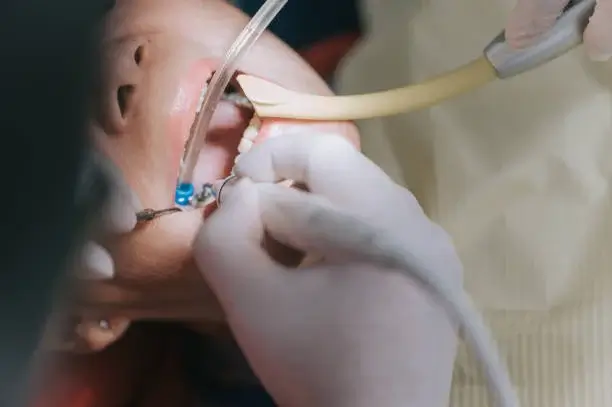
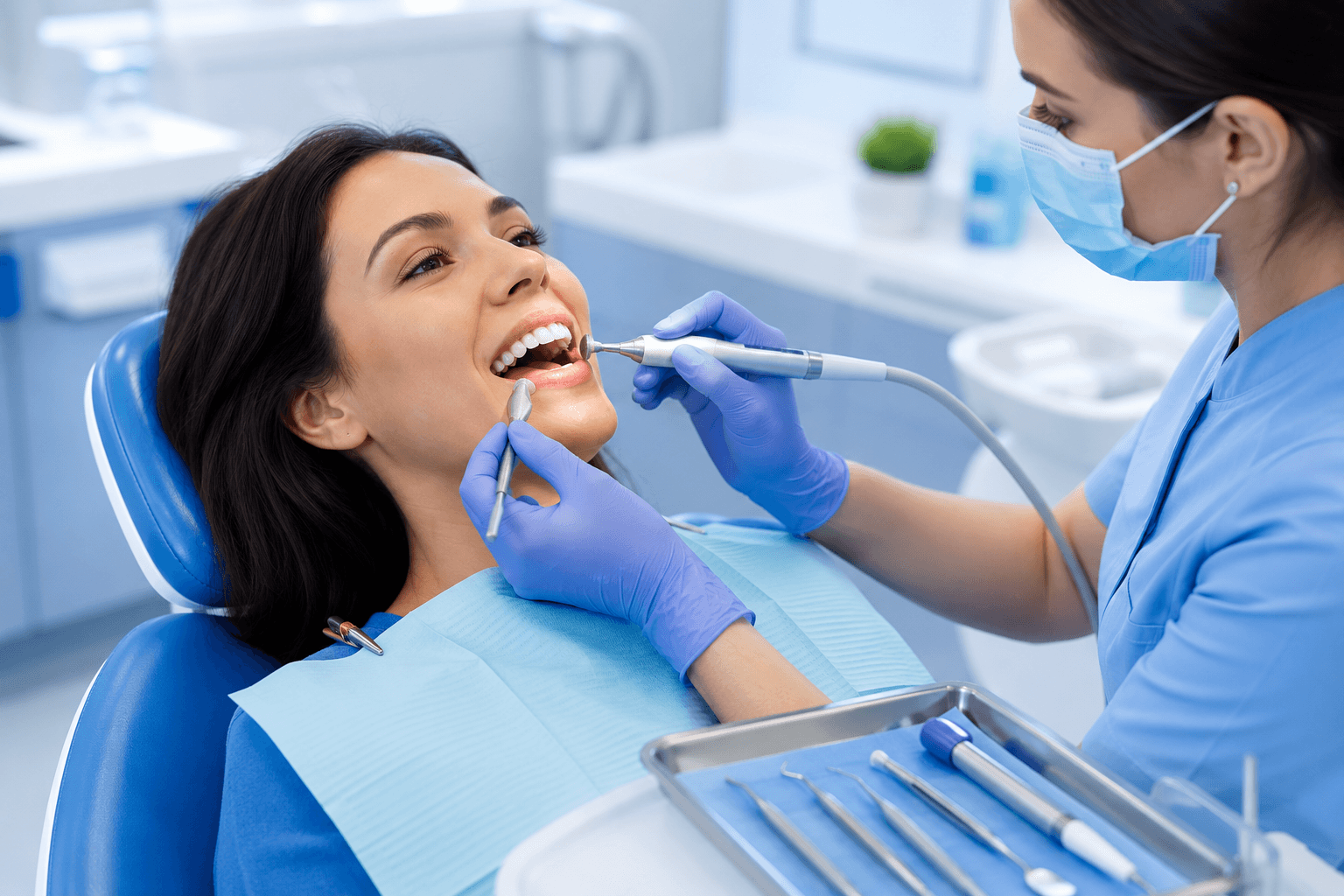
The hygienist starts with a look around tissue condition, early decay, anything that seems off since the last visit. Then scaling starts. Tartar gets broken up and lifted using hand instruments or an ultrasonic scaler depending on how much is there and where. Polishing comes after, smoothing the tooth surface and clearing stains. Flossing. Sometimes fluoride to finish.
For people with active periodontal disease the procedure goes deeper. Scaling and root planing works below the gumline where regular cleaning cannot reach. It takes longer and usually involves a local anesthetic. If your dentist brings that up, look at the full range of dental services on offer so you know what you are getting into before you agree.
What Staying Consistent Actually Does For You
Here is the honest payoff of understanding how often to get a dental cleaning and actually following through. People who keep regular appointments tend to hold onto their teeth longer. Not marginally longer. Significantly. That is the headline benefit and it is easy to lose sight of when you are just thinking about the next six months.
Short term breath gets better. Staining from coffee and tea clears up in one session. Teeth feel different when you run your tongue across them. That part is immediately obvious.
Longer term there is a growing body of research tying untreated gum infections to cardiovascular disease, lung conditions and pregnancy complications. Preventive cleaning is not just a dental matter.
And if price is what keeps getting in the way, a cheap dentist in Dubai can provide that same standard of preventive care. Affordable does not mean cutting corners.
Conclusion
The schedule matters less than the habit of showing up. At Calcium Clinic one of the more trusted cheap dental clinics in Deira the team looks at your actual oral health history and tells you what your mouth needs. Not what the default answer is.
Do not wait until something hurts to make an appointment. Book a consultation with Calcium Clinic today and find out what cleaning schedule actually makes sense for where your teeth are right now.
FREQUENTLY ASKED QUESTIONS:
Honestly is every six months necessary or do dentists just say that?
It is genuinely the right interval for most people. If your gums are consistently in great shape your dentist may say twelve months is fine. But that is a call they make after looking at your records not one you make by deciding your mouth feels okay.
My teeth do not hurt and they look fine. Do I still need a cleaning?
Yes. Early cavities do not hurt. Early gum disease does not hurt. Pain shows up later, when things have been going wrong for a while.
Is it going to hurt?
Depends on how much buildup is there. Sensitivity near the gumline is common when someone has not been in for a while. The more regularly you go the less uncomfortable it gets because there is less to remove each time.
What about dental crowns and bridges in Deira do they need extra care during cleanings?
Yes they do. The margin between a crown and the tooth beneath is where decay sneaks in. Gum recession around bridges compounds quickly. Regular cleaning is genuinely what protects those restorations.
Dental anxiety is real for me. Is that going to be a problem?
Tell the hygienist or dentist before the appointment starts not halfway through it. Most practices adjust their pace and communication once they know. You will not be the first person to say it.
How often to get a dental cleaning?
Twice a year for most people. Three or four times a year if any of the risk factors above apply to you. Once a year if your mouth is in consistently good shape and a professional has actually confirmed that.