
What can I eat after dental implant surgery is something almost every patient asks and usually not until they are already home from the procedure wondering whether the soup in the cupboard is too hot. Simply put it is about which foods are actually safe during the weeks and months while the implant heals into the jawbone.
What surprises most people is how long the dietary changes actually last. This is not a two-day thing. The implant post has to fuse with the bone – a process called osseointegration – and that takes months. What you eat during that window genuinely affects whether the implant succeeds. This guide walks through what can I eat after dental implant surgery at each stage of recovery and why some of these restrictions matter more than they might seem. If you are based in Dubai and want post-operative guidance that is actually specific to your situation, Calcium Clinic in Deira works with patients at every stage of implant recovery.
Why Food Choices Actually Matter Here
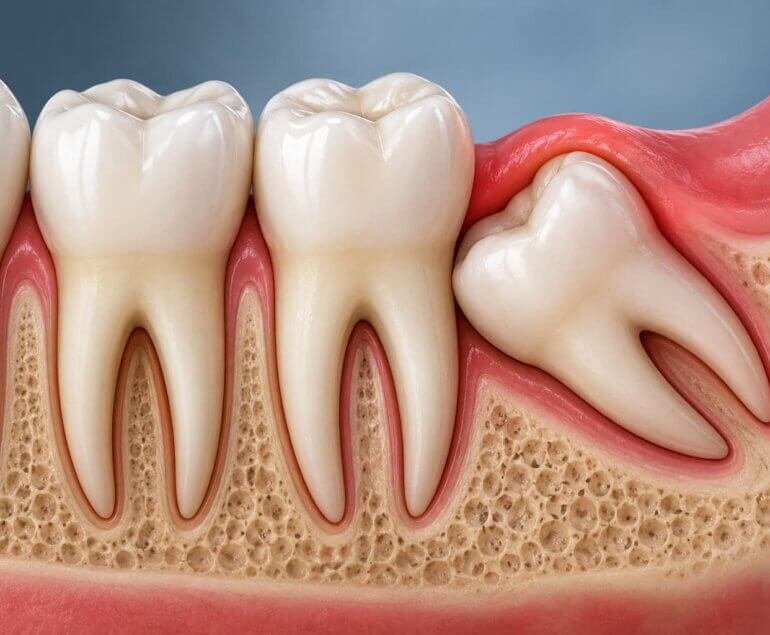
An implant is not a filling. The titanium post goes into the bone and the body has to grow around it to make it stable. Until that happens the site is more vulnerable than it looks or feels.
Hard foods put pressure on an implant that has not yet integrated. Hot drinks increase blood flow to the area which can worsen swelling and trigger bleeding in the first few days. Crunchy or sharp-edged foods can disturb the clot or irritate the sutures. Even foods that seem harmless can cause problems if they are hitting the wrong place at the wrong time.
Figuring out what can I eat after dental implant surgery correctly is not just about managing discomfort. It is directly tied to whether the whole thing works long term.
The First 48 Hours: The Most Restrictive Stage
The first two days are when you need to be most careful. Swelling peaks around 48 hours and the surgical site is at its most sensitive during this window.
Cold or room temperature only. Nothing warm and nothing that requires any chewing effort.
What actually works:
- Cold water and chilled herbal teas
- Smoothies (no seeds and no chunks of hard fruit)
- Plain yoghurt without granola or fruit pieces
- Cold soup broth
- Ice cream or soft sorbet without hard mix-ins
- Mashed banana or avocado
No straws. The suction creates negative pressure that can dislodge the clot protecting the implant site and that clot is doing important work. Skip the hot tea too – even if it is just warm it is better to wait.
Days 3 to 7: Still Soft But More Options
By day three the swelling is usually starting to ease and things feel a bit more manageable. You can introduce foods with slightly more substance while still keeping away from anything that needs real chewing force.
| Food Category | Safe Options | Avoid |
| Protein | Scrambled eggs, soft fish, yoghurt | Steak, chicken on the bone, hard cheeses |
| Carbohydrates | Mashed potato, soft pasta, white rice | Crusty bread, crackers, chips |
| Vegetables | Steamed and mashed veg, soft cooked carrots | Raw vegetables, salads |
| Fruit | Banana, melon, soft tinned fruit | Apples, pears, hard or seeded fruit |
| Dairy | Soft cheese, milk, yoghurt | Hard aged cheeses |
| Drinks | Water, warm herbal tea, milk | Alcohol, fizzy drinks, very hot drinks |
Temperature is still something to pay attention to. Warm food is fine but very hot is still off the table. Try to keep chewing on the opposite side of the mouth from the implant site. It takes some getting used to but it is worth the habit.
The best dentist in Deira Dubai at Calcium Clinic will look at your specific recovery at the post-operative review and adjust this guidance if needed. Everyone heals at a slightly different pace.
Weeks 2 to 6: Where Most People Get It Wrong
This is the stage where patients feel well enough to start eating more normally and then do exactly that before the implant is ready for it.
The surface wound heals relatively quickly. Feeling better by week two is common and completely normal. But osseointegration – the bone actually fusing with the titanium post – takes months to complete. The implant can still be disturbed during this stage even when there is no pain or obvious sign that anything is wrong.
So the answer to what can I eat after dental implant surgery at this point is still foods that do not require much bite force on the implant side. Soft cooked chicken, pasta, fish, eggs, well-cooked vegetables and soft grains are all fine. What still needs to wait is the raw carrots, the hard bread, the popcorn, the nuts and anything chewy or sticky like dried fruit or toffee.
It is the foods you forget about that cause problems – the crusty end of a baguette grabbed without thinking, the handful of nuts at a work meeting. Staying conscious of it for a few more weeks is genuinely worth it.
If you have had dental crowns in Dubai placed as part of the same restoration the same caution applies while the cement fully sets.
When Does Normal Eating Actually Come Back
For most patients full dietary freedom returns somewhere between three and six months after surgery. The dentist confirms integration through X-rays before placing the final crown or restoration. That confirmation is the green light.
Once the permanent crown is fitted and osseointegration is confirmed the implant functions like a natural tooth. Most patients eat whatever they want at that point.
The full range of dental services at Calcium Clinic covers the entire implant journey including the final restoration and the team marks these milestones clearly so patients know where they are in the process.
What to Avoid for the Entire Healing Period
A few things need to stay off the list from surgery day until the final crown is fitted.
Alcohol interferes with healing and interacts badly with post-surgical medications. Smoking is the bigger concern – it restricts blood supply to the surgical site and is one of the most significant predictors of implant failure. Fizzy drinks are acidic and create pressure. Very hot food and drinks and anything heavily spiced should also wait.
If something specific is not covered here a quick check with a cheap dentist in Dubai at Calcium Clinic takes about two minutes and saves you from a guess that could set recovery back.
Conclusion
What can I eat after dental implant surgery really comes down to this – cold soft foods for the first two days, gradually expanding to soft solids over the following weeks and then patience about returning to a full normal diet until the implant is confirmed to have integrated. It feels restrictive in the moment but the restrictions exist for a reason and they are temporary.
The implant once it is fully healed functions like a natural tooth. Most patients forget it is even there.
At Calcium Clinic in Deira Dubai the implant team gives specific post-operative dietary guidance at each stage of recovery rather than a generic sheet of instructions. Whether you are still planning the procedure or already in recovery the dental crown and bridge services and implant care at Calcium Clinic cover the process from placement through to the final restoration.
Any questions about recovery or ready to book a consultation, get in touch with Calcium Clinic today and get guidance that actually fits where you are in the process.
FREQUENTLY ASKED QUESTIONS:
What can I eat after dental implant surgery on day one?
Cold or room temperature liquids and very soft foods. Smoothies, plain yoghurt, cold broth and ice cream are all good choices. Nothing warm, nothing requiring any chewing, no straws.
Can I drink coffee after getting an implant?
Not in the first few days. Hot liquid increases swelling and can disrupt the clot. Once the initial healing settles warm coffee is usually fine but very hot drinks should wait a few more weeks.
When do solid foods come back?
Soft solids around day three to seven for most people. Genuinely hard or chewy foods take weeks to months depending on your specific healing progress. Your dentist confirms when the integration is complete.
Should I avoid chewing on the implant side entirely?
Yes during the healing period. Chew on the opposite side wherever you can and try to keep that habit going until your dentist confirms the implant has integrated.
What actually happens if I eat something I should not?
Hard or crunchy foods can create micro-movement in the implant before the bone has grown around it properly. In some cases that disrupts osseointegration and the implant fails. It is worth being careful for the same reason you would not run on a broken ankle just because it felt okay after a few days.
Are there any permanent restrictions once it is fully healed?
Very few. A fully integrated implant with its crown in place works like a natural tooth. The usual common sense applies – do not use your teeth as tools and avoid biting down on extremely hard things like ice or nutshells.