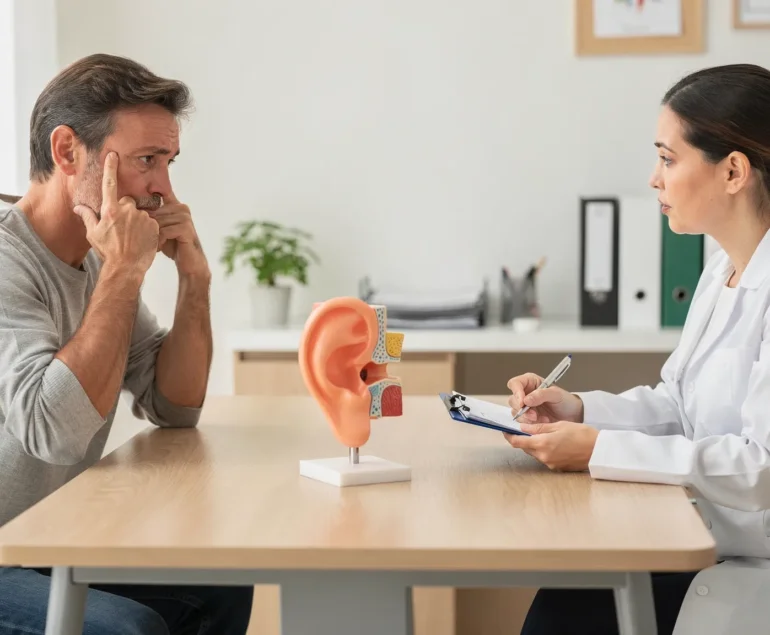

Anxiety in children homeopathy means using diluted natural remedies to help kids manage fear, persistent worry and nervous tension without pharmaceutical medication. The remedy isn’t chosen from a general “calm” category. It gets selected based on how that specific child’s anxiety actually behaves.
Childhood anxiety doesn’t look the same twice. One child gets stomach aches every Sunday night like clockwork. Another has complete meltdowns over things that, from the outside, seem completely minor. Anxiety in children homeopathy tries to match the treatment to those specific patterns rather than handling all anxious children identically. This piece covers remedy selection, which daily habits genuinely support treatment and what child anxiety management looks like in real life. If a homeopathy clinic in Dubai is already on your radar, this gives you a grounded sense of what’s actually involved.
Why Childhood Anxiety Gets Missed
Kids don’t walk up and say they’re anxious. What happens instead is three consecutive mornings of stomach pain before school. Crying over something that looks trivial from every adult angle. Digging in hard about situations other children their age move through without much fuss.
Defiance. Over-sensitivity. A phase. Those are the labels that tend to get applied first. Families spend months trying different approaches before anyone connects the behaviour to anxiety as the actual driver. By the time anxiety in children homeopathy comes up as something worth exploring, most parents have already been through the reassurance stage, the routine adjustment stage and the waiting-it-out stage. None of it stuck.
One thing worth saying plainly: an anxious child’s nervous system isn’t broken. It’s running too hot. The homeopathic approach works with that rather than trying to suppress it.
What the Selection Process for Anxiety in Children Homeopathy Actually Involves
There isn’t an “anxiety remedy” that gets handed out at a homeopathic clinic. Parents often assume that going in and it’s not how it works.
Before any remedy gets selected the practitioner needs a specific picture of how anxiety shows up in that child. Is it tied to particular events or is it more of a constant low-level hum? Does the child fear something concrete, getting sick, being separated from parents, something going wrong at school, or is it shapeless dread that doesn’t attach to anything identifiable? What physical symptoms show up alongside it? Stomach pain, nail biting, bedwetting, not sleeping, constant restlessness? When the child is distressed, do they want to be held or do they push everyone away?
Those details drive everything. Two children both refusing school might need completely different remedies because what’s underneath is different. The matching is the method. It’s also the gap between a proper anxiety in children homeopathy consultation and buying something off a shelf because the packaging mentions stress relief.
Remedies Used for Child Anxiety
| Remedy | Anxiety Type | Key Symptoms in Children |
| Argentum Nitricum | Anticipatory anxiety | Stomach pain before events, impulsive, craves sugar |
| Pulsatilla | Separation anxiety | Clingy, weeps easily, needs constant reassurance |
| Gelsemium | Performance and exam anxiety | Trembling, weak legs, wants to withdraw before events |
| Aconite | Sudden intense fear | Panic-type episodes, fear triggered by shock or fright |
| Calcarea Carbonica | Generalised anxiety with insecurity | Fears dark, nightmares, stubborn, easily overwhelmed |
| Lycopodium | Social anxiety with low self-confidence | Bossy at home, fearful around others, digestive complaints |
| Stramonium | Severe fear with night disturbance | Night terrors, intense fear of dark and being alone |
This table is reference material, not a prescribing guide. Homeopathy treatment in Dubai at Calcium Clinic starts with a full intake covering the child’s history, temperament and how anxiety actually presents across a typical week. The remedy that works is the one matched to that child specifically.
Habits That Support the Treatment
Remedies need something to work with. Child anxiety management at home either creates better conditions for treatment or quietly works against it.
Sleep is where most families underestimate the impact. Anxious children and poor sleep are almost always linked and sleep deprivation measurably worsens anxiety the following day. Wind-down routine, screens off well before bed, dark and quiet room. These aren’t lifestyle suggestions sitting alongside treatment. They’re part of what makes treatment work.
Physical movement gives built-up nervous tension somewhere to go. Structured sport is fine if the child enjoys it but it’s not required. A walk after school, time outside, swimming once a week. Regular movement that discharges energy rather than leaving it to accumulate.
Routine is underrated as a child anxiety management tool. Anxious nervous systems brace for unknowns constantly. Knowing what’s coming next reduces how many unknowns there are to brace for. It’s simple and it’s effective.
Performance pressure is worth examining honestly. Anxious children are often already demanding a great deal from themselves. Visibly adding parental concern about academic results or achievements on top of that compounds the load rather than easing it.
How feelings get named matters more than parents usually expect. “That sounds like it felt really scary” is different from “you don’t need to worry about that.” One acknowledges the experience. The other tells the child their internal state is incorrect. For an anxious child that second response doesn’t land as reassurance.
A female homeopathy doctor in Dubai at Calcium Clinic network talks through these habits during the consultation and works out what’s actually realistic for each family rather than giving out a standard list.
What the First Appointment Involves
45 to 75 minutes is realistic for a first visit. The practitioner needs the full picture before selecting anything.
Questions go back further than most parents expect. Birth history, developmental milestones, significant events in the child’s life, when anxiety first showed up visibly and what else was happening at that point. Where the child is old enough to be involved, they usually participate in part of the appointment directly. Temperament reads differently when the practitioner can observe it than when it’s being described secondhand.
Follow-up visits track whether anything is shifting. Anxiety in children homeopathy doesn’t typically resolve in a single appointment. Potency adjustments, remedy changes and refinements based on how the child is responding across the first few weeks are all part of a normal treatment course.
When Homeopathy Needs Support From Other Professionals
Worth being direct here. Homeopathy runs well alongside other types of support. It isn’t a reason to delay proper assessment when a child’s anxiety is significantly limiting their ability to function.
Consistent school refusal, weight loss linked to anxiety-driven appetite disruption, panic attacks or a child who has stopped engaging with things they previously cared about all indicate a situation where a paediatrician or child psychologist needs to be part of the picture. Anxiety in children homeopathy fits well as one component of a broader plan in those cases. Not as the only intervention.
Conclusion
Anxiety in children homeopathy produces results when the remedy fits the child’s specific pattern, not just the general diagnosis. That match takes time and a proper intake to get right. Pair it with consistent child anxiety management at home, decent sleep, regular movement, predictable daily structure and communication that doesn’t accidentally amplify the anxiety, and the treatment has something real to build on.
No remedy alone fixes childhood anxiety. No habit change alone fixes it either. What works is both together, plus enough time for the pattern to shift rather than just being temporarily suppressed.
Book a consultation and find out what a proper homeopathic intake for your child actually looks like.
FREQUENTLY ASKED QUESTIONS:
Q: How young can children be when they start?
Infancy in practice. Dosing adjusts for age and weight. Babies and toddlers with anxiety-linked presentations like colic, sleep refusal or severe separation distress are treated homeopathically fairly routinely.
Q: When does something actually change?
Mild cases often show some response within two to four weeks. Anxiety that’s been building for a long time usually takes two to three months before the improvement is clearly sustained. Rapid resolution promises for long-standing patterns are a red flag.
Q: Can it run alongside conventional anxiety medication?
Usually yes. Both the homeopath and the prescribing doctor need to know what the other is doing. Anxiety in children homeopathy is generally compatible with conventional medication but coordination between practitioners matters.
Q: Safe with other health conditions?
The dilution levels involved make these remedies low-risk as a general rule. Any significant health conditions need to be disclosed in full at the consultation. Prescribing without that information isn’t appropriate.
Q: What if the child refuses tablets?
Most homeopathic remedies for children come as small sweet pills or liquid drops. Refusal is uncommon. Dissolving in a small amount of water works reliably for younger children or those who genuinely won’t take tablets.
Q: How much does what happens at home actually affect the outcome?
More than most parents initially expect. Sleep patterns, how anxiety gets discussed, household stress levels, how much performance pressure the child is under. All of it feeds into how well the remedy works. The practitioner will spend real time on this during the consultation.