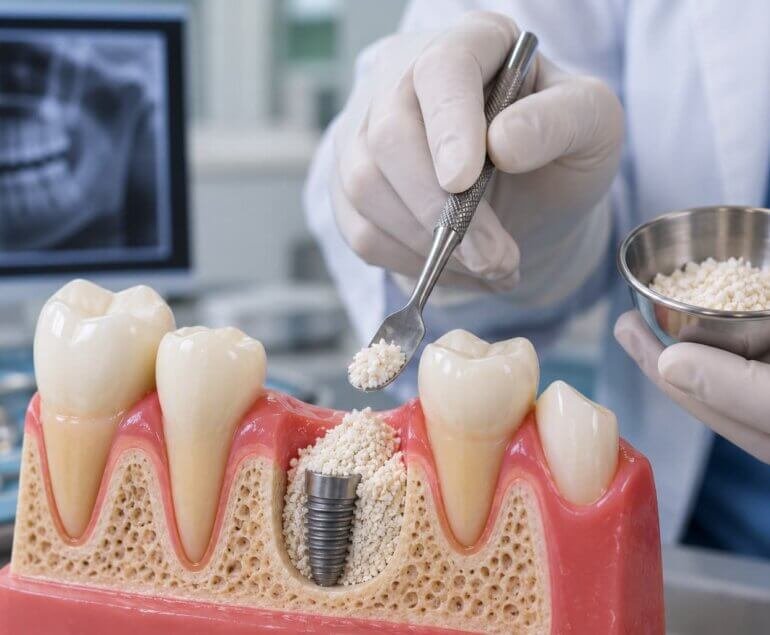
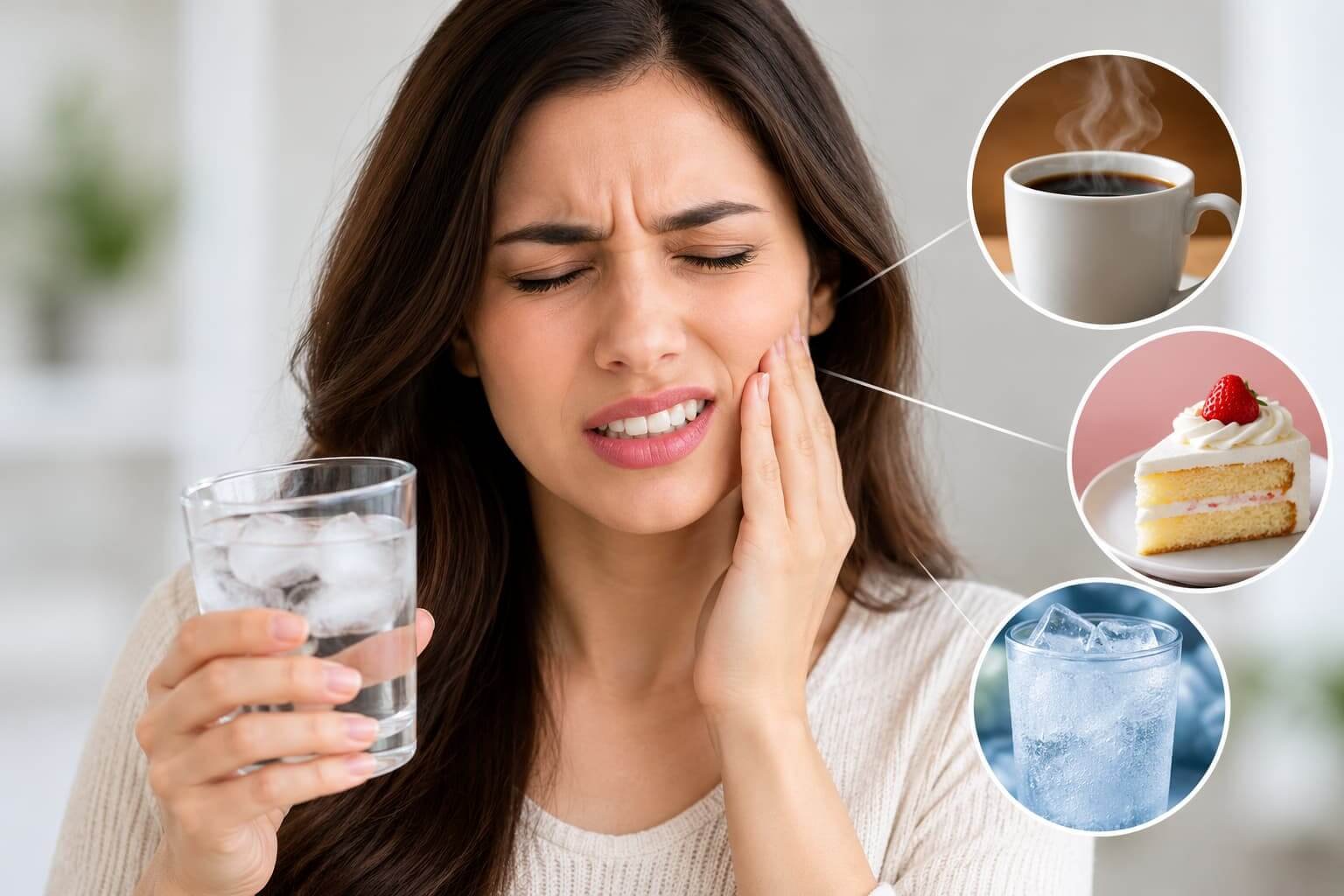
What Is Tooth Sensitivity?It is a sharp, temporary pain in one or more teeth when they encounter hot, cold, sweet, or acidic foods, drinks, or cold air. It happens when enamel wears down or gums recede, exposing softer dentin underneath. Dentin contains microscopic channels leading to the nerve, so exposed dentin lets temperature and chemical signals travel faster and feel more intense.
Most people experience a quick electric twinge that fades within seconds. The pain is not constant, which is why many dismiss it for months. That is usually the wrong call. Sensitivity is often the first warning sign of enamel loss, gum recession, or an emerging dental problem. For readers exploring alternative approaches alongside conventional dental care, some seek guidance from a Homeopathy Treatment in Dubai provider, though dental evaluation remains essential for diagnosing the underlying cause.
What Is Tooth Sensitivity Actually Feel Like
Sensitive teeth produce a short, sharp jolt rather than a dull ache. Triggers include iced water, hot coffee, citrus, cold air through the mouth, or brushing certain areas. Discomfort lasts only seconds and disappears once the trigger is removed.
This differs from tooth pain, which lingers, throbs, or wakes you at night, often signaling infection, deep decay, or nerve damage. Sensitivity is brief and stimulus-driven. If pain persists beyond a few seconds or appears without a trigger, that points to something beyond surface wear and needs a clinical exam.
Common Causes of Tooth Sensitivity
Enamel erosion is the most common trigger. Acidic drinks, aggressive brushing, and years of wear thin the outer layer, bringing dentin closer to the surface. Gum recession plays a similar role. As gum tissue pulls back, often from periodontal issues or heavy-handed brushing, the root surface gets exposed. Roots have no enamel, so they respond fast to temperature changes.
Other causes include cracked teeth, worn fillings, recent whitening treatments, and night-time grinding. Bruxism wears enamel down without the person noticing until sensitivity starts. Diet matters too. Citrus, soda, wine, and vinegar-based foods soften enamel over time, and repeated exposure adds up.
Sensitivity is rarely one single mistake. It is usually a combination of habits and conditions that gradually remove protection from the tooth surface.
How Sensitivity Differs From Tooth Pain
| Feature | Tooth Sensitivity | Tooth Pain |
| Duration | Seconds, fades quickly | Lingers, may throb |
| Trigger | Hot, cold, sweet, acidic, cold air | Often spontaneous |
| Underlying cause | Exposed dentin, enamel wear | Decay, infection, nerve damage |
| Urgency | Manageable at home initially | Needs prompt dental evaluation |
| Night symptoms | Rare | Common |
Home Care That Actually Helps
Desensitizing toothpaste is the first line of defence for mild cases. These formulas block the tiny tubules in dentin that transmit temperature signals to the nerve, and most people notice a difference within two to four weeks of consistent use. Look for potassium nitrate or stannous fluoride on the label.
A soft-bristled brush matters more than people expect. Hard bristles scrub away the surface layer that would otherwise protect the tooth, so switching brush type alone can slow the problem. Brushing gently in circular motions rather than sawing back and forth also reduces mechanical wear.
Cutting back on acidic drinks helps, but timing matters as much as quantity. Rinsing with water after citrus or soda, rather than brushing right away, gives softened enamel time to reharden. Brushing immediately after an acidic drink can do more damage than the drink itself.
A night guard is worth discussing if grinding is part of the picture. Many people grind without knowing it, and a guard fitted by a dentist protects enamel while they sleep. Some patients at calcium clinic also explore complementary options through a Homeopathy Clinic in Dubai, though conventional protective measures remain the first step.
When Home Care Is Not Enough
Sensitivity that lingers past a few seconds, or pain that shows up without any trigger, points to something beyond surface wear. A cracked tooth, a failing filling, or an exposed nerve needs a clinical exam, not another tube of toothpaste. Sudden new sensitivity in one specific tooth could signal a cavity, cracked tooth, or abscess.
Red flags warranting a prompt dental visit include sensitivity after a recent injury, pain when biting down, visible holes or dark spots, swollen gums around a specific tooth, and any discomfort that disrupts sleep. These are not normal sensitivity patterns.
Professional Treatment Options
A dentist can apply fluoride varnish to strengthen enamel and reduce nerve transmission. Bonding agents can cover exposed roots. If grinding is confirmed, a custom nightguard protects enamel during sleep. For decay, cracked teeth, or gum disease, treating the underlying condition resolves the sensitivity rather than just masking it.
Some people also consult a Female Homeopathy Doctor in Dubai for constitutional support alongside dental treatment, particularly when sensitivity is linked to broader inflammatory or dietary patterns. This is a complementary route, not a substitute for diagnosing structural dental problems.
Prevention That Works
Protecting enamel is easier than rebuilding it. Use a soft-bristled brush with light pressure. Wait at least thirty minutes after acidic foods before brushing. Rinse with water after citrus, soda, or vinegar-based dressings. Switch to a desensitizing toothpaste before sensitivity becomes severe. Schedule regular dental check-ups to catch enamel wear and gum recession early.
The most common mistake is treating sensitivity as a personality quirk rather than a signal. Teeth do not become sensitive for no reason. The twinge is information.
If sensitivity persists despite switching toothpaste and avoiding triggers, a professional evaluation is the next step. To discuss your symptoms and get a tailored plan, contact us to book an appointment with a dentist who can identify the cause and recommend the right treatment.
What do sensitive teeth feel like?
Sensitive teeth produce a brief, sharp jolt when exposed to hot, cold, sweet, or acidic stimuli. The sensation fades within seconds once the trigger is removed, unlike tooth pain which lingers or throbs.
Can tooth sensitivity go away?
Yes, mild sensitivity can improve with desensitizing toothpaste, softer brushing, and reduced acid exposure. Sensitivity caused by decay, cracks, or gum recession requires professional treatment to resolve the underlying issue.
What is the difference between tooth sensitivity and tooth pain?
Sensitivity is short and trigger-driven, lasting seconds. Tooth pain lingers, may throb, can occur spontaneously, and often signals infection, deep decay, or nerve damage requiring urgent care.
How to stop nerve sensitivity in a tooth?
Use a desensitizing toothpaste containing potassium nitrate or stannous fluoride, brush gently with a soft-bristled brush, avoid acidic triggers, and see a dentist for fluoride varnish, bonding, or treatment of any underlying damage.