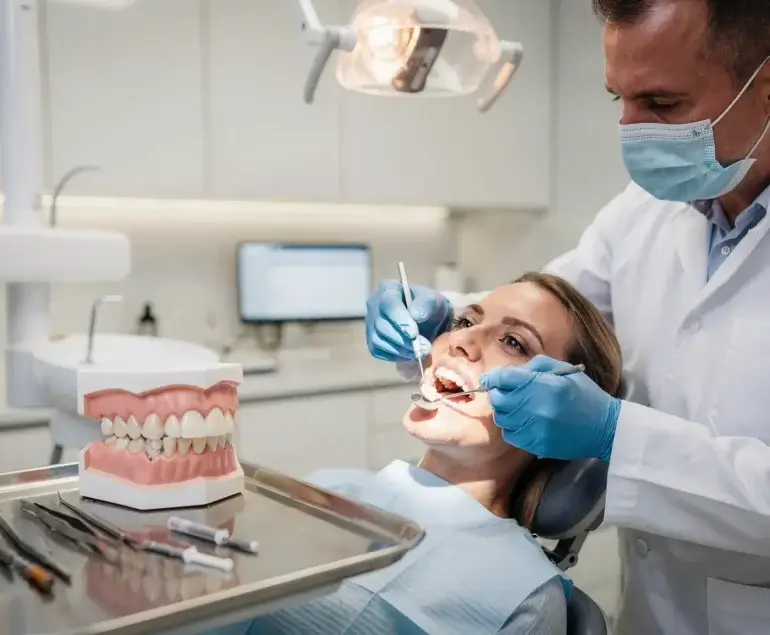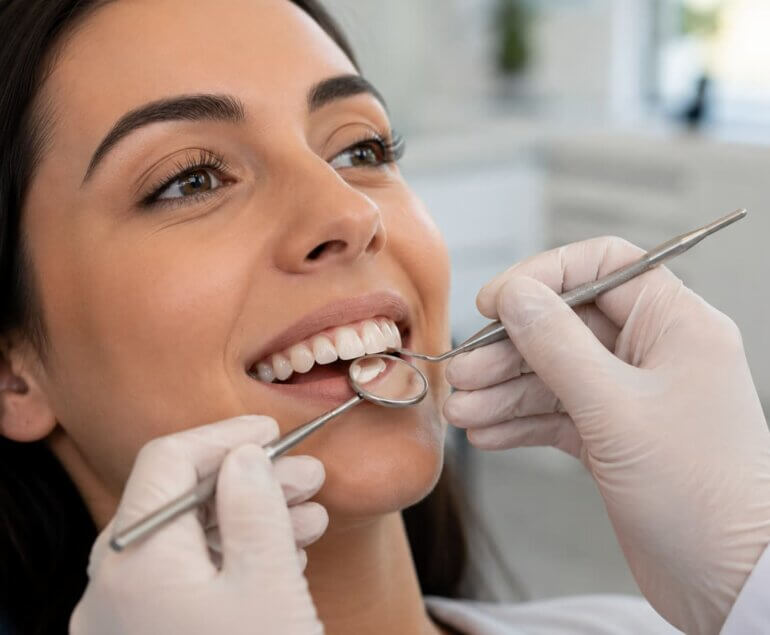
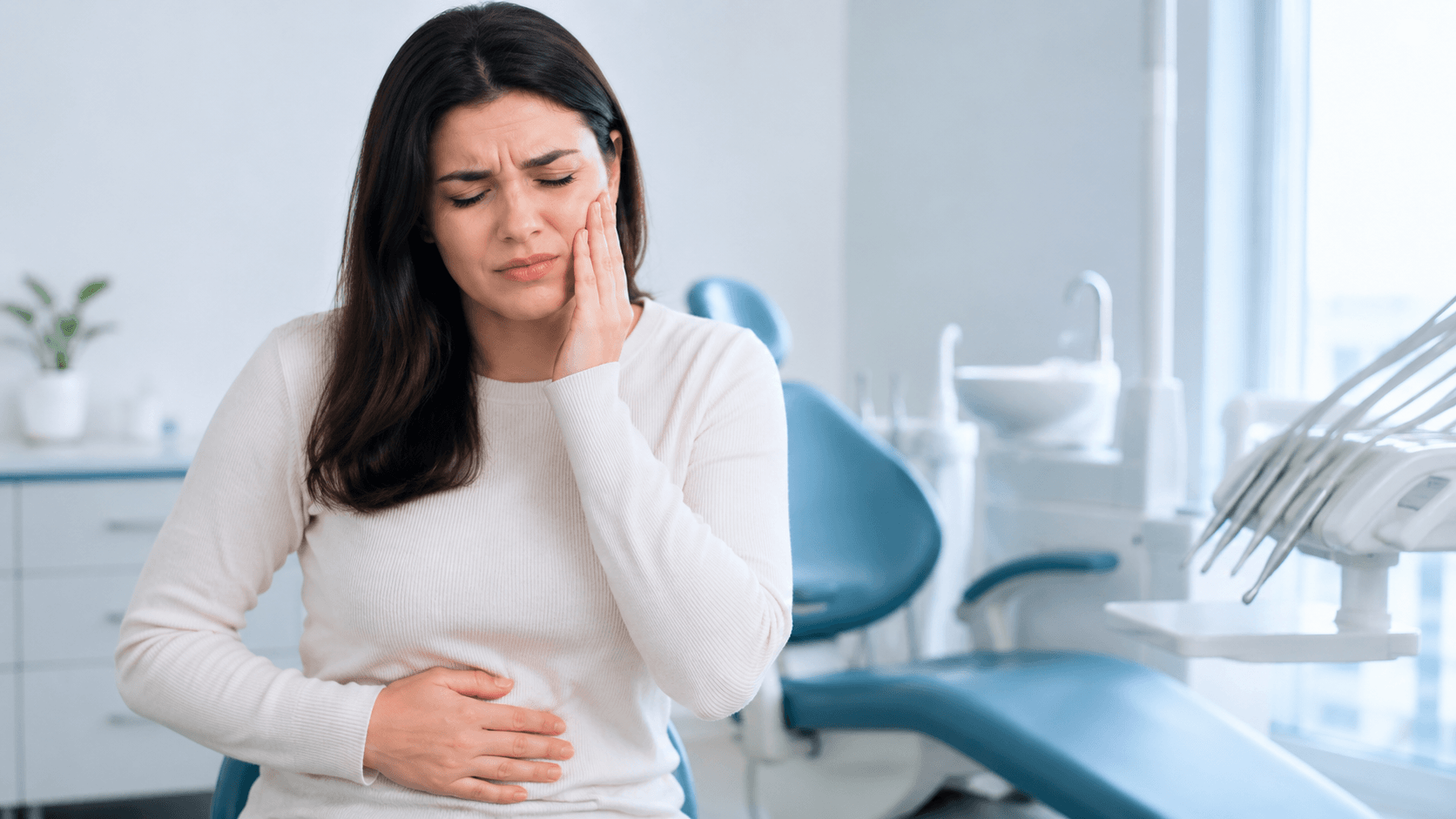
Can dental problems cause digestive problems is asking something most people haven’t considered: whether gum infections, decay and bacterial buildup in the mouth travel down and affect the stomach and gut. They do. The pathway is more direct than almost anyone realises until someone explains it to them.
Digestion doesn’t start in the stomach. It starts in the mouth, and bacteria living there get swallowed constantly throughout the day. How dental problems and digestion connect, which conditions carry the most gut risk and why treating them separately may be why neither improves fully, that’s what this article covers. Been putting off a visit to the best dental clinic in Deira Dubai? The gut angle adds a reason to stop delaying.
Digestion Begins in the Mouth
Chewing breaks food down. Saliva starts chemical breakdown. Both happen before anything reaches the stomach and both involve the oral environment directly.
Bacteria present during that process travel down with every swallow. Healthy oral microbiome, manageable. Gum disease or heavy decay shifting the bacterial balance badly, entirely different picture. What’s heading into the digestive tract changes significantly depending on what’s living in the mouth. That’s the biological core of can dental problems cause digestive problems as a question.
600 Swallows a Day
That’s the rough adult average. Oral bacteria delivered to the stomach and intestines on a continuous loop, all day, every day, regardless of whether anyone thinks about it.
Stomach acid handles most of it normally. That changes when oral bacterial loads tip too high, when acid-suppressing medication reduces acidity or when the gut microbiome is already struggling. Bacteria that should be neutralised survive the journey. They travel further. They settle.
Fusobacterium nucleatum. Porphyromonas gingivalis. Treponema denticola. These have been found in gut and colon tissue samples. Not environmental bacteria picked up randomly. These are gum disease bacteria. Finding them in the lower digestive tract and connecting them to inflammatory bowel disease and colorectal cancer in the research isn’t a minor footnote. Dental problems and digestion connect through that bacterial pipeline and the evidence behind it has been building for years.
Which Dental Problems Create Gut Risk
| Dental Problem | How It Affects Digestion |
| Periodontal (gum) disease | Continuous bacterial load entering the gut all day via swallowing |
| Tooth decay and abscesses | Infection bacteria passing directly into the digestive tract |
| Missing teeth | Poorly chewed food straining stomach and digestive enzymes |
| Dry mouth (xerostomia) | Reduced saliva means carbohydrate breakdown starts badly |
| Oral thrush (Candida) | Fungal overgrowth spreading and disrupting gut microbiome |
| Poorly fitted dentures | Inadequate chewing sending oversized food particles to the stomach |
| Chronic bad breath | Often signals bacterial overgrowth already present in the gut |
Missing teeth catches people off guard on this list. Chewing is mechanical digestion, the first stage of it. Skip that stage or do it badly because the teeth aren’t there to do it properly, and food arrives in the stomach in pieces the system wasn’t designed to process. Bloating, reflux, slow transit, poor nutrient absorption. All of it traceable back to chewing function. Can dental problems cause digestive problems through something that basic? In practice, yes, regularly.
What Saliva Is Actually Doing
Amylase in saliva breaks down carbohydrates before food gets anywhere near the stomach. Antimicrobial proteins keep oral bacterial populations from getting out of control. Buffering compounds reduce acid travelling up from the throat. Three separate protective functions, all happening before the first bite reaches the oesophagus.
Dry mouth removes all three simultaneously. Carbohydrate digestion starts compromised. Oral bacteria grow without the usual checks. Acid buffering from the throat weakens. Patients dealing with medication-induced dry mouth or autoimmune-related dry mouth are managing something that degrades dental health and early digestion at the same time.
One condition. Two interconnected sets of consequences. That’s why dental problems and digestion overlap so heavily in dry mouth cases specifically.
Gum Disease and Gut Inflammation
The research connecting periodontal disease to gut health is the strongest thread in this whole area. And it moves in both directions.
Gum disease doesn’t only inflame gums. Active periodontal disease generates systemic inflammatory markers that circulate through the body. The gut is one of the most immunologically active environments humans have. It responds to that circulating load. Crohn’s disease and ulcerative colitis show up at higher rates in patients with untreated gum disease than in those with healthy gums consistently across studies.
Porphyromonas gingivalis keeps appearing in gut tissue samples from IBD patients at levels well above healthy controls. Not occasionally. Consistently. Can dental problems cause digestive problems through gum disease? This connection has the most research weight behind it of anything in this article.
Patients at Calcium Clinic presenting with gum disease alongside persistent digestive complaints get those two things considered together. Not bounced between separate specialists treating them as unrelated.
H. Pylori Is Not Only a Stomach Problem
- pylori causes stomach ulcers. Most people know that part. Antibiotics clear it, eradication confirmed, done. Except H. pylori also colonises oral plaque and saliva. That part gets skipped over in most conversations.
The mouth acts as a reservoir. Antibiotic treatment clears the stomach infection but leaves the oral reservoir untouched. Reinfection follows. Studies tracking patients with high oral H. pylori loads show higher rates of treatment failure and reinfection after standard gastric therapy compared to patients without significant oral colonisation.
Want a specific and concrete answer to can dental problems cause digestive problems: in H. pylori cases, poor oral hygiene may be the precise reason stomach treatment keeps failing.
When Acid Reflux Goes the Other Way
Dental problems and digestion don’t only run mouth to gut. Chronic acid reflux pushes stomach acid back toward the mouth. That acid erodes enamel. It causes sensitivity. Over time it creates a wear pattern on the inner surfaces of the upper back teeth that looks different from dietary acid erosion and a dentist who knows what they’re looking at will recognise it.
Patients come in with unexplained enamel erosion. No obvious dietary cause. The pattern on the teeth tells the story. A gut problem created a dental one and if only the teeth get treated while the reflux continues, the erosion continues too.
Dental crowns in Dubai restore teeth once reflux is properly managed. Dental crowns and bridges in Deira cover the cases where acid damage has spread across multiple teeth over years.
What Gum Treatment Does for the Gut
Less oral bacteria means less being swallowed into the digestive tract. The downstream gut effect of reducing that daily bacterial load is real and measurable.
Systemic inflammatory markers drop after periodontal treatment. That’s documented across multiple studies. Some patients report digestive improvement after completing gum disease treatment without any direct gut intervention at all. The source of the daily bacterial feed to the gut got removed and the gut responded.
Seeing a cheap dentist in Dubai for a proper clean and gum assessment isn’t casual maintenance from this angle. It’s cutting the pathogenic bacterial input hitting the gut every single day.
A cheap dental clinic in Deira that handles gum disease properly and identifies acid erosion patterns is affecting gut health outcomes whether it’s framed that way or not. The best dentist in Deira Dubai connects oral findings to systemic health rather than treating the mouth as a sealed system disconnected from everything below.
Conclusion
Dental care and gut health aren’t separate tracks for a lot of patients. They’re the same track viewed from different ends.
The best dentist in Deira, Dubai at Calcium Clinic treats oral health with that wider picture as part of the assessment rather than leaving the systemic connections unaddressed.
Book a consultation and find out what your oral health may actually be doing to the rest of your body.
FREQUENTLY ASKED QUESTIONS:
Q: Can bad teeth actually affect the stomach?
Yes. Gum disease and decay bacteria get swallowed continuously. Gut microbiome disruption, inflammatory gut conditions and H. pylori treatment failure are all documented consequences. The research on whether can dental problems cause digestive problems through that route is established.
Q: Does missing teeth affect digestion?
Directly. Chewing function drops, food particles arrive in the stomach too large and the digestive system works harder than it’s supposed to. Bloating, reflux and nutrient malabsorption all associate with significantly compromised chewing over time.
Q: Will dental treatment improve gut symptoms?
Treating gum disease lowers the daily bacterial input into the gut and reduces systemic inflammation. Digestive improvement after periodontal treatment is reported consistently enough to be clinically notable. It won’t resolve a gut condition alone but it removes something actively making it worse.
Q: What dental work is relevant for gut health?
Gum disease treatment, professional cleaning, oral bacteria assessment and restorative work rebuilding chewing function. The services at Calcium Clinic cover what’s needed across those areas.
Q: How often should gut patients see a dentist?
More than once a year. Every four to six months for cleaning and gum monitoring is a reasonable baseline for anyone managing inflammatory gut conditions.
Q: My gut medication causes dry mouth. Is that a dental risk?
A real one. Antacids, antispasmodics and various IBD medications commonly cause dry mouth. Reduced saliva accelerates decay and gum disease progression, which increases the bacterial load entering the gut daily. Managing it early is better than waiting for problems to become visible.
Q:Can dental problems cause digestive problems?
Gum disease, missing teeth, H. pylori, acid reflux. Each one comes back with the same answer from a different angle. Oral bacteria swallowed daily drive gut inflammation. Chewing failure strains the stomach. H. pylori in the mouth undermines antibiotic treatment in the stomach. Acid reflux erodes teeth and damaged teeth compromise chewing. Dental problems and digestion run in both directions. Treating one side while ignoring the other consistently leaves part of the problem in place.