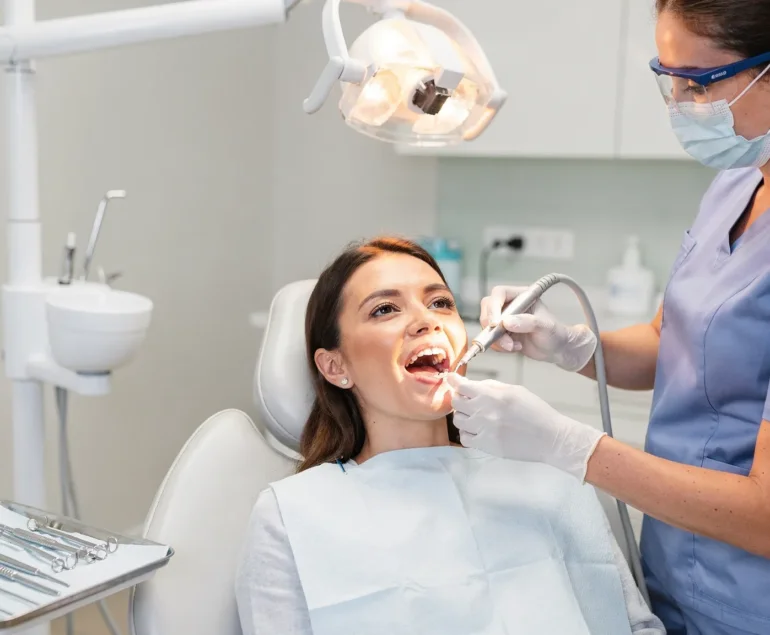

If you’re thinking about getting veneers, at some point you’ve probably stopped and wondered whether dental veneers are actually safe. It’s a reasonable thing to ask. You’re talking about a cosmetic procedure that involves your teeth, which are not exactly something you want to experiment with carelessly.
The short version is that yes, for most people veneers are considered safe. But there’s more to it than that, and understanding the fuller picture before you commit is just sensible. This guide walks through the benefits, the real risks, what to expect afterward, and what kind of person is actually a good candidate.
If you’re still in early research mode, you can find more on Dental Veneers in Deira Dubai.
What Are Dental Veneers?
Veneers are thin shells, porcelain or composite, that get bonded to the front surface of your teeth. Cosmetic only, not structural. People get them for things like tooth discoloration that won’t shift with whitening, chipped teeth, small gaps, uneven shapes, minor alignment issues, and worn down enamel.
They’re one of the more popular cosmetic dental treatments around and have been for a while. Which also means there’s a solid body of experience behind them, not some experimental new thing.
Are Dental Veneers Safe?
Generally speaking, yes. When a qualified dentist does the procedure properly, veneers have a pretty strong safety track record. They’ve been used for decades and the materials and techniques have only gotten better over time.
That said, safe doesn’t mean without any considerations at all. Like any dental procedure there are things worth knowing before you go ahead. The people who tend to have the best experiences are the ones who went in with realistic expectations and a clear understanding of what’s involved.
Patients at the Best Dental Clinic in Deira Dubai usually go through a proper consultation first, which helps figure out whether veneers are actually the right fit for their oral health and what they’re trying to achieve.
Benefits of Dental Veneers
Worth covering these properly because they’re a big part of why veneers remain so popular.
Natural Looking Results — modern porcelain in particular does a genuinely good job of mimicking real tooth enamel. Done well, people won’t be able to tell.
Improved Smile Appearance — you can address several cosmetic concerns at once rather than doing separate treatments for each issue.
Stain Resistance — porcelain holds up against staining better than natural teeth, which matters if you drink coffee or tea regularly.
Long Lasting Results — with decent care you’re looking at a decade or more from porcelain veneers.
Conservative Treatment — compared to some other restorative options, veneers don’t require as much alteration to the existing tooth structure.
Potential Risks of Dental Veneers
This is the part people sometimes gloss over and probably shouldn’t.
Tooth Sensitivity — some people notice increased sensitivity after the procedure. Usually temporary and settles down as things adjust, but worth knowing it can happen.
Enamel Removal — traditional veneers require removing a thin layer of enamel to make room for the shell. Enamel doesn’t grow back. That’s the part that makes veneers a long term commitment rather than something reversible.
Veneer Damage — veneers are durable but they’re not indestructible. Too much pressure and they can chip or crack, same as a natural tooth might.
Gum Irritation — mild irritation around the gum line can happen in the early adjustment period. Usually settles on its own.
Future Replacement — they don’t last forever. Eventually they’ll need replacing, which is just the reality of any dental restoration.
None of this is meant to put you off, just to give you a complete picture of what dental veneers being safe actually means in practice.
Common Side Effects After Veneer Placement
Most side effects are pretty manageable and don’t last long.
| Side Effect | Typical Duration |
| Mild Sensitivity | A few days to weeks |
| Gum Tenderness | Several days |
| Bite Adjustment Sensation | Short term |
| Increased Awareness of Veneers | Initial adaptation period |
Most patients adjust quickly and get back to normal life without much disruption. A consultation with the Best Dentist in Deira Dubai can help you know what to expect for your specific situation before treatment starts.
Who Is a Good Candidate for Veneers?
Not everyone is, honestly. A dentist will typically look at overall oral health, gum condition, existing restorations, tooth structure, bite alignment, and what you’re actually hoping to fix cosmetically.
People with healthy teeth and gums tend to get the best results. If there are underlying issues like decay or gum disease, those need sorting out first before veneers even become a conversation. That evaluation process is a big part of how dentists determine whether dental veneers are safe for any given person
How Dentists Help Ensure Veneer Safety
A lot of why veneers have such a solid safety record comes down to how experienced dentists approach the planning.
Conduct a Full Examination — properly assessing what’s going on before touching anything.
Treat Existing Problems First — decay, gum disease, bite issues. These get addressed before any veneer work begins.
Use High Quality Materials — modern porcelain and composite materials are genuinely good. The difference between materials matters more than people realize.
Provide Customized Treatment — no two mouths are the same and a good dentist treats them accordingly.
Who you choose to do the work makes a real difference to the outcome.
How to Reduce Risks After Getting Veneers
Most of this is stuff you’d be doing anyway for general dental health.
Brush Twice Daily with a soft bristled toothbrush and non abrasive toothpaste. Abrasive products can dull the veneer surface over time.
Floss Regularly to keep gums healthy, which directly supports how well veneers hold up long term.
Avoid Biting Hard Objects — ice, pens, hard candy. These put the kind of pressure on veneers that leads to chipping.
Wear a Night Guard if Necessary — if you grind your teeth, even occasionally, this is worth doing. Grinding does real damage to veneers faster than most people expect.
Attend Regular Checkups so your dentist can catch anything early before it becomes a bigger problem.
Calcium Clinic offers preventive dental services for ongoing veneer care.
Are Porcelain Veneers Safer Than Composite Veneers?
Both are considered safe when placed properly. The differences are more about performance and longevity than safety.
| Feature | Porcelain Veneers | Composite Veneers |
| Durability | Higher | Moderate |
| Stain Resistance | Excellent | Moderate |
| Lifespan | 10 to 15+ Years | 4 to 8 Years |
| Appearance | Highly Natural | Natural |
Which one makes sense depends on your budget, your goals, and what your dentist recommends for your specific teeth. If you’re looking at a Cheap Dentist in Dubai, that’s completely understandable, just make sure the materials and expertise aren’t being compromised to hit a lower price point.
What Should You Consider Before Getting Veneers?
A few honest questions worth sitting with before you book anything:
Are your teeth and gums actually healthy right now? Do you understand that this is a long term commitment, not something you can just undo? Are you willing to keep up with regular dental care going forward? Have you actually talked through all your options with a dentist rather than just assuming veneers are the answer?
Patients exploring options sometimes visit a Cheap Dental Clinic in Deira, which is fine, just make sure cosmetic experience is part of what you’re evaluating, not just the price.
Conclusion
So are dental veneers safe? For most people yes, genuinely. When a qualified dentist does the work properly and the patient looks after them, veneers have a strong track record. The results can be dramatic and they tend to last a long time.
But safe doesn’t mean consequence free. The enamel removal, the long term commitment, the maintenance involved, these are real things worth understanding before you decide. Going in informed just puts you in a better position all around.
At Calcium Clinic the team takes the evaluation process seriously, figuring out whether veneers are actually the right fit before anything gets started. Consultation, treatment, and ongoing care rather than just a procedure and goodbye.
If you’re thinking about veneers and want a proper conversation about your options, you can book a consultation here: https://calciumclinics.com/contact-us/
Good decisions start with good information. That’s really all this comes down to.
Frequently Asked Questions
Are dental veneers safe for long term use?
Yes, when properly maintained they hold up well and can provide years of cosmetic improvement without issues.
Are dental veneers safe for sensitive teeth?
Often yes, though it depends on the degree of sensitivity. A proper evaluation will tell you more than a general answer can.
Do veneers damage natural teeth?
A small amount of enamel is removed with traditional veneers, but the procedure is designed to take as little as possible. The goal is always to preserve natural tooth structure where it can be preserved.
Can veneers cause gum disease?
A properly fitted veneer won’t cause gum disease. Poor oral hygiene will, veneer or no veneer.
Are dental veneers safe for everyone?
Not automatically. Suitability depends on your oral health, gum condition, bite, and what you’re trying to achieve. That’s what consultations are for.