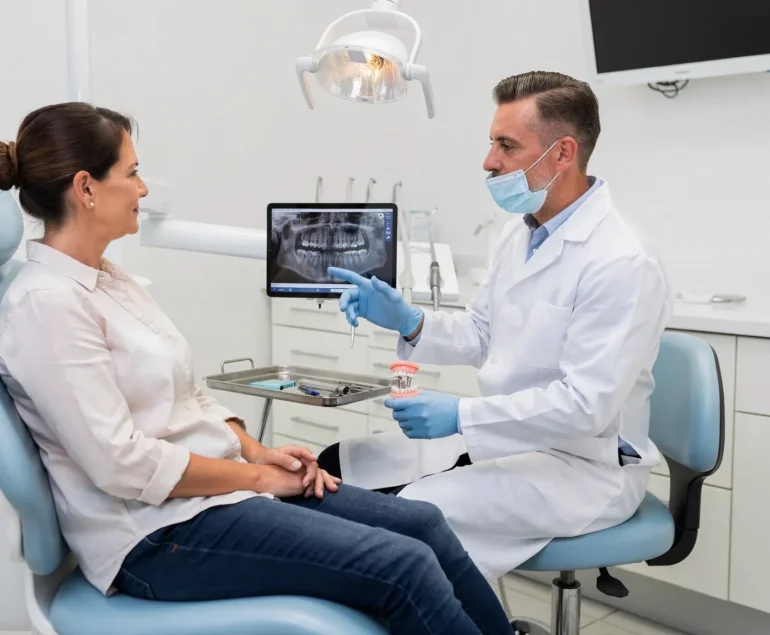

If you’re looking into veneers, the question of whether dental veneers are permanent probably comes up pretty quickly. And it’s a fair one to ask. Veneers aren’t like whitening strips you try for a few weeks and move on from. There are actual changes involved, to your teeth, your smile, and your long term dental needs. So before committing to anything it’s worth getting a clear picture of what you’re actually signing up for.
This guide covers how veneers work, how long they tend to last, whether they can be reversed, and what the whole commitment really looks like day to day.
If you’re still in the early research phase, you can find more detail on Dental Veneers in Deira Dubai.
What Are Dental Veneers?
Veneers are thin custom made shells, porcelain or composite, that get bonded to the front surface of your teeth. They’re purely cosmetic but they can do a lot. People usually get them for things like tooth discoloration that won’t respond to whitening, chipped teeth, small gaps, uneven shapes, mild alignment issues, or worn down enamel.
Done well, they look natural and the results can be pretty striking. Which is exactly why so many people want to know upfront whether dental veneers are permanent before they go any further.
Are Dental Veneers Permanent?
Honestly, the answer is yes and no, and that’s not a cop out.
The veneers themselves don’t last forever. But here’s the part that matters: placing traditional veneers usually involves removing a small layer of enamel from the front of your teeth to make room for the shell. And enamel doesn’t grow back. Once it’s gone, it’s gone.
So even after a veneer reaches the end of its life and needs replacing, your teeth still need some kind of covering going forward. That’s the part that makes this a long term commitment rather than something you can just undo if you change your mind.
Why Are Veneers Considered Permanent?
It comes back to the enamel removal. For most traditional porcelain veneers, the tooth surface gets reshaped slightly before the veneer goes on. This helps with fit, makes the result look more natural, helps the bonding hold, and keeps things from looking bulky.
The downside is that once that enamel is gone you can’t get it back. So the tooth will always need some form of protection whether that’s a replacement veneer or another type of restoration further down the line. That’s really what people mean when they say dental veneers are permanent. It’s not that the veneer itself lasts forever, it’s that the decision to get one kind of does.
How Long Do Dental Veneers Last?
They’re durable but not indestructible. Lifespan varies depending on the material:
| Veneer Type | Average Lifespan |
| Composite Veneers | 4 to 8 years |
| Porcelain Veneers | 10 to 15 years |
| Premium Porcelain Veneers | 15 years or more |
These are averages. Plenty of people push well beyond them with good habits and consistent dental care. Patients at the Best Dental Clinic in Deira Dubai usually get specific maintenance advice that helps veneers hold up longer than the average.
Can Dental Veneers Be Removed?
Yes, a dentist can take them off. But that’s not really what most people mean when they ask this. What they’re usually getting at is whether removal means going back to square one, back to their original teeth. And for traditional veneers, that’s not how it goes.
The sticking point is the enamel. A thin layer gets removed before the veneer goes on, just enough to make room for it to sit naturally against the tooth. That layer is gone permanently, there’s no getting it back. So even after the veneer is removed the tooth underneath is still different from how it started and still needs something covering it. Another veneer in most cases, occasionally a crown, depending on the state of the tooth at that point.
Worth saying this isn’t meant to be a deterrent. It’s just something that genuinely matters to understand before making the decision rather than somewhere down the line when it’s too late to factor it in. People who knew this going in tend to feel a lot more at ease with their choice than those who found out afterwards. Which, when you think about it, is true of most things worth deciding carefully.
Are No-Prep Veneers Permanent?
There are newer veneer options that require little to no enamel removal. These are called no-prep veneers and they’re considered more conservative than the traditional approach because less tooth structure is altered in the process.
That said, they’re not suitable for everyone. Whether they’ll work depends on things like your tooth alignment, your bite, your existing dental health, and what you’re actually trying to achieve with your smile. A consultation with the Best Dentist in Deira Dubai is really the only way to figure out which option makes more sense for your specific situation.
Benefits of Dental Veneers
Despite the commitment involved, veneers remain popular for good reasons.
Natural Appearance — porcelain in particular closely mimics the look of real tooth enamel. People won’t be able to tell.
Stain Resistance — porcelain holds up better against staining than natural teeth do, which is a genuine plus for coffee and tea drinkers.
Long Lasting Results — with proper care you’re looking at a decade or more of results from porcelain veneers.
Quick Smile Transformation — multiple cosmetic concerns can often be addressed in just a few appointments.
Knowing whether dental veneers are permanent helps you weigh all of this against the longer term responsibility that comes with it.
What Can Shorten the Lifespan of Veneers?
Veneer failure rarely comes out of nowhere. In most cases something has been wearing them down gradually, a habit, something in the daily routine, something the person didn’t think was serious enough to worry about. Until it was.
Teeth Grinding is the one that surprises people most. It happens during sleep so there’s no awareness of it, no sense of the pressure building up night after night. A lot of people only find out when a dentist notices the wear pattern. By that point the damage is already underway.
Nail Biting tends to get brushed off. Feels too small to matter. But the edges of veneers take the brunt of it every single time and that stress accumulates. It’s slower than grinding but it gets to the same place eventually.
Chewing Hard Objects covers more than people think. Ice is the classic one but it’s also pen caps, boiled sweets, anything that puts that kind of sudden concentrated force through the front teeth. Normal eating is fine, veneers handle that without issue. It’s the repeated abnormal pressure that causes chipping and once that starts it tends to keep going.
Poor Oral Hygiene is probably the least obvious one but in some ways the most important. The veneer can sit there looking perfectly fine on the surface while the gum and the tooth underneath quietly deteriorate. That structure is what everything depends on. When it goes the veneer goes with it, sometimes quite suddenly.
Finding a Cheap Dentist in Dubai is a reasonable goal, dental work costs real money and nobody should feel bad for wanting affordable care. The thing to watch for is what that lower price actually reflects. Sometimes it’s just efficiency and good value. Sometimes it’s fewer materials, rushed work, no real aftercare. That second version tends to cost considerably more to sort out later than the original saving was worth.
How to Care for Dental Veneers
Good maintenance genuinely extends how long veneers last. The routine isn’t complicated.
Brush Twice Daily using a soft bristled toothbrush and non abrasive toothpaste.
Floss Every Day to keep gums healthy around the veneer margins.
Visit Your Dentist Regularly so small issues get caught before they become bigger ones.
Wear a Night Guard If Needed especially if grinding is something you deal with, even occasionally.
Follow Professional Recommendations because your dentist will notice things you won’t.
Calcium Clinic offers ongoing preventive dental services for patients with veneers.
Who Is a Good Candidate for Veneers?
Not everyone is. Generally speaking veneers work best for people with healthy gums, solid oral hygiene habits, cosmetic concerns on the front teeth specifically, and realistic expectations about what veneers can and can’t do.
A proper consultation is the only real way to find out if you’re a good fit. Patients looking for accessible options sometimes explore a Cheap Dental Clinic in Deira, quality cosmetic dentistry doesn’t always have to mean paying top tier prices.
Conclusion
So are dental veneers permanent? Kind of. The veneers themselves wear out and get replaced. But the enamel changes that come with traditional placement mean your teeth will always need some form of coverage after that. That’s the part that makes this a long term decision rather than a casual one.
None of that means veneers are a bad idea. For a lot of people they’re genuinely worth it, the results look great, they last a long time with proper care, and the maintenance isn’t dramatic. You just want to go in knowing what you’re committing to.
At Calcium Clinic, the team walks patients through all of this properly before anything gets started. Consultation, treatment, and long term follow up, it’s meant to be an ongoing relationship not a one time visit.
Thinking about veneers or want to talk through your options? Book a consultation here: https://calciumclinics.com/contact-us/
The more you understand before you start, the more confident you’ll feel about the decision you make.
Frequently Asked Questions
Do veneers last forever?
No. They wear down over time and will eventually need replacing, just like most dental restorations.
Are dental veneers permanent because enamel is removed?
In traditional cases yes. The enamel removal is what makes this a long term commitment rather than a reversible one.
Can veneers fall off?
It’s not common but it can happen, usually if the bonding weakens or there’s some kind of trauma. Worth knowing about.
Are veneers painful?
Most people find the procedure pretty manageable. Some mild sensitivity afterward but nothing dramatic for most patients.
Can veneers stain?
Porcelain itself resists staining well. The natural teeth around and behind the veneer can still discolor though, which can create a mismatch over time.