
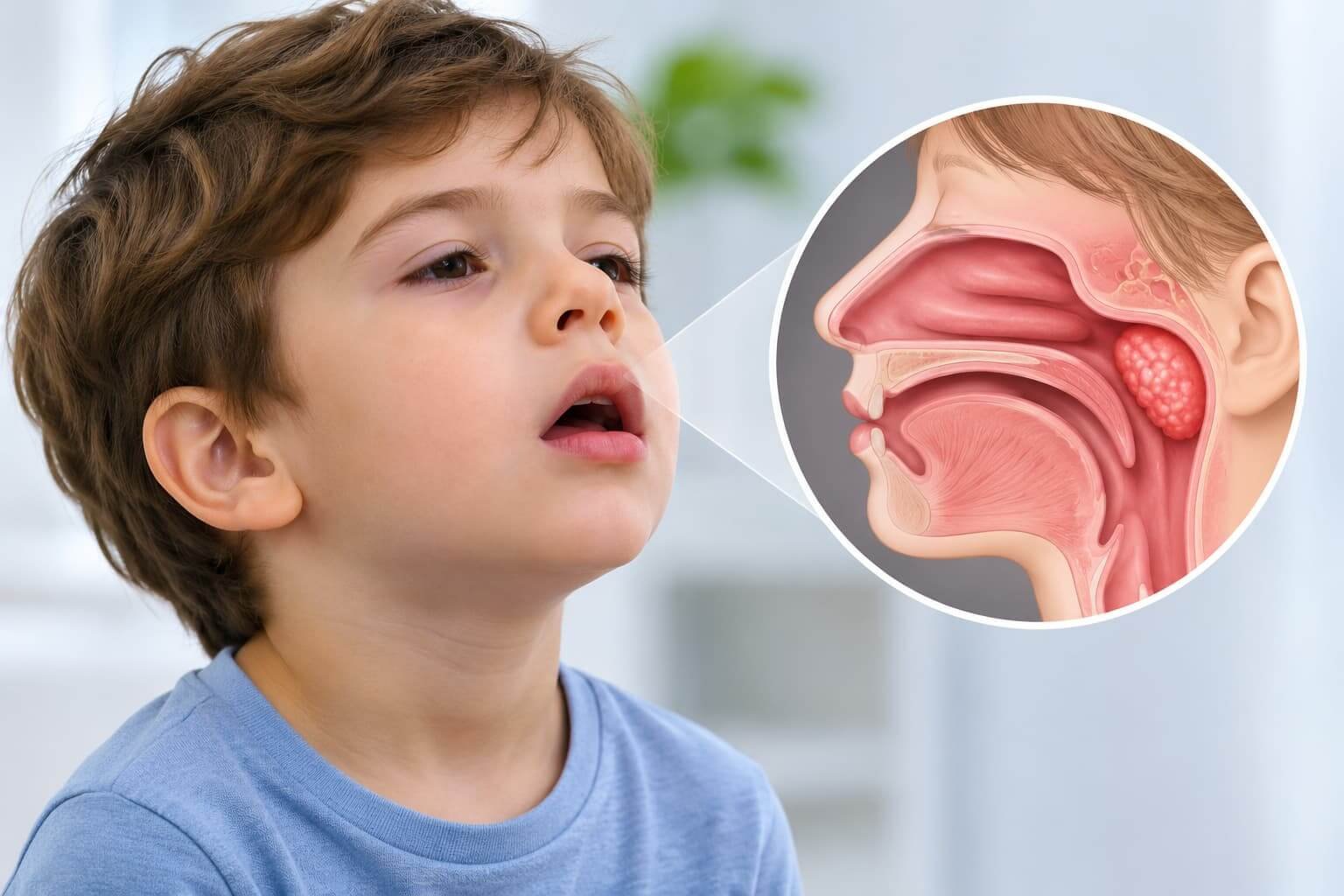
Chronic adenoiditis is a long-term inflammation and bacterial infection of the adenoid glands behind the nose that lasts for at least 90 days. It frequently involves bacterial biofilm formation, acting as a persistent reservoir for infections in the upper airway. Unlike a short-lived sore throat or cold, this condition lingers because bacteria form protective communities that resist standard clearance, making repeated flare-ups common.
If you are exploring treatment options, some families look into complementary approaches such as Homeopathy Treatment in Dubai alongside conventional care. Whichever route you consider, understanding the mechanics of the condition helps you make better decisions.
What Chronic Adenoiditis Actually Looks Like
The adenoids sit high in the throat, behind the nose and above the roof of the mouth. They are part of the immune system in early childhood, trapping germs that enter through the nose. That role, however, makes them vulnerable to persistent infection.
The symptoms are not subtle once you know what to look for:
- Nasal obstruction and congestion: Constant stuffy nose and difficulty breathing through the nose.
- Mouth breathing: Forcing a shift to breathing through the mouth, particularly noticeable while sleeping.
- Snoring and sleep apnea: Noisy breathing, loud snoring, or brief pauses in breathing during sleep.
- Postnasal drip and bad breath (halitosis): Mucus trickling down the back of the throat, often accompanied by unpleasant breath or a chronic cough.
- Ear issues: Blocked Eustachian tubes leading to fluid buildup, frequent ear infections, or hearing loss.
Children may also develop a characteristic “adenoid facies” over time: an open-mouth posture, a dull facial expression, and sometimes a high-arched palate from chronic mouth breathing.
Why It Becomes Chronic
The shift from a passing infection to a chronic one usually involves polymicrobial bacterial infections: long-standing bacterial colonization and biofilms that resist standard clearance. A biofilm is essentially a sticky matrix where multiple bacterial species live together, shielded from antibiotics and immune cells.
Several factors keep the cycle going. Allergies create chronic immune responses to airborne allergens, swelling the adenoid tissue and trapping mucus. Acid reflux, whether GERD or LPR, allows stomach acid to irritate the upper airway and adenoid tissue. Recurrent viral upper respiratory infections also prime the tissue for bacterial overgrowth.
Adenoid hypertrophy, or enlargement, often accompanies chronic adenoiditis. The enlarged tissue blocks nasal airflow and the Eustachian tube openings, creating the ear and sleep symptoms described above.
Normal Adenoids in Young Children
Is it normal for a 3-year-old to have adenoids? Yes. Adenoid tissue is present at birth and grows during early childhood, typically reaching its largest size between ages 3 and 7. After that, it usually shrinks through adolescence. Having adenoids is normal; having chronically infected or obstructively enlarged adenoids is not.
The distinction matters because parents sometimes worry that any adenoid tissue is a problem. A doctor evaluates whether the tissue is causing functional problems, not just whether it exists.
Diagnosis and When to See a Doctor
An ENT specialist typically examines the adenoids using a small flexible camera passed through the nose, a procedure called nasal endoscopy. This gives a direct view of the tissue, its size, and any visible signs of infection. A lateral neck X-ray can also estimate adenoid size, though it cannot show infection.
An adenoid biopsy, where a small tissue sample is taken and examined under a microscope, is used less routinely. It helps rule out unusual causes of adenoid enlargement, such as lymphoma or other rare conditions, especially when the tissue looks atypical or symptoms do not respond to standard treatment.
See a doctor if any of these apply: symptoms last beyond 90 days, snoring is loud every night, breathing pauses occur during sleep, ear infections recur frequently, or speech and hearing seem affected.
Treatment Options
Treatment usually starts conservatively and escalates if needed.
| Treatment | What It Does | Best For |
| Nasal steroid sprays | Reduce inflammation and shrink tissue | Mild to moderate obstruction, allergic component |
| Saline rinses | Clear mucus and allergens | Daily hygiene, congestion |
| Antibiotics | Target acute bacterial flares | Documented bacterial infection |
| Allergy management | Reduce immune triggers | Allergic rhinitis driving swelling |
| Adenoidectomy | Remove infected tissue surgically | Failed medical therapy, sleep apnea, recurrent ear disease |
What is a good nasal spray for adenoids? Intranasal corticosteroid sprays, prescribed by a doctor, are the main medical option for reducing adenoid inflammation. Saline sprays help clear mucus but do not shrink tissue. Decongestant sprays are not appropriate for long-term use.
Adenoid gland surgery, or adenoidectomy, removes the adenoid tissue through the mouth under general anesthesia. It is one of the most common pediatric surgeries and often performed alongside ear tube placement if chronic ear fluid is present. Recovery is typically a week or so of soft foods and throat discomfort.
Practical Tips While Deciding
Parents often ask how to help a child sleep with enlarged adenoids. Elevating the head of the bed slightly, using a cool-mist humidifier, and clearing nasal passages with saline before bed can help. Side sleeping sometimes reduces snoring compared to back sleeping. These are temporary measures, not substitutes for medical evaluation.
Adults can also develop chronic adenoiditis, though it is less common because adenoid tissue shrinks with age. In adults, persistent nasal obstruction, postnasal drip, and Eustachian tube dysfunction should prompt an endoscopic examination to rule out other causes.
If you are weighing conventional and complementary options, a Homeopathy Clinic in Dubai may offer individualized supportive care. Some patients seek a Female Homeopathy Doctor in Dubai for a more comfortable consultation experience. At calcium clinic, practitioners can discuss whether such approaches fit alongside standard ENT management. To ask specific questions or schedule an evaluation, contact us.
Frequently Asked Questions
Is it normal for a 3-year-old to have adenoids?
Yes. Adenoid tissue is present from birth and typically largest between ages 3 and 7 before shrinking during adolescence. The concern is not the presence of adenoids but chronic infection or obstruction.
What is a good nasal spray for adenoids?
Intranasal corticosteroid sprays prescribed by a doctor are the standard medical option for reducing adenoid inflammation. Saline sprays help clear mucus but do not shrink the tissue.
What is an adenoid biopsy and what is it used for?
An adenoid biopsy removes a small tissue sample for microscopic examination. It is used when adenoid enlargement looks atypical or does not respond to standard treatment, helping rule out rare conditions such as lymphoma.
What is adenoid gland surgery?
Adenoidectomy is the surgical removal of adenoid tissue through the mouth under general anesthesia. It is commonly performed for sleep apnea, recurrent ear infections, or chronic symptoms that do not improve with medical therapy.
Book Appointment if chronic nasal obstruction, snoring, or recurrent ear issues have persisted beyond three months and you want a clear evaluation and treatment plan.