
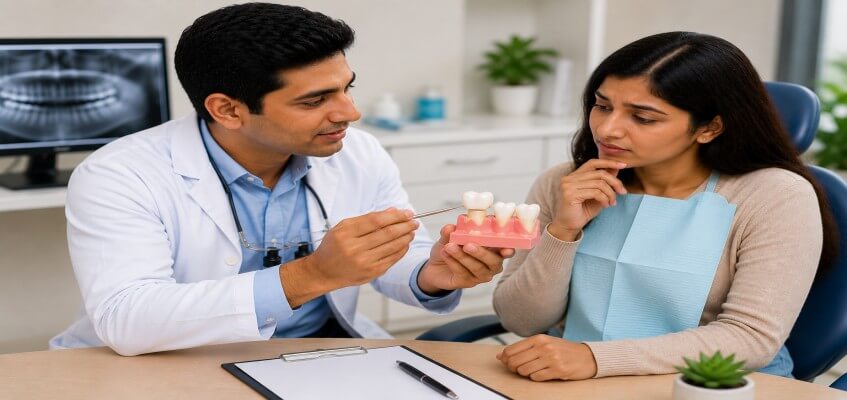
Pain is probably the first thing that comes to mind when someone mentions getting a crown. It’s one of those procedures that sounds uncomfortable before you know anything about it. So if you’ve been wondering do dental crowns hurt, you’re definitely not alone in asking.
The honest answer is that most people find it a lot more manageable than they expected. This guide walks through what actually happens during the procedure, how much discomfort is realistic at each stage, what recovery looks like, and when something warrants a call to your dentist.
If you’re looking into restorative options, you can find more on Dental Crowns in Dubai.
What Is a Dental Crown?
A crown is essentially a custom made cap that fits over a tooth that’s been damaged, weakened, or treated in some way. It protects what’s left of the tooth and brings it back to normal function and appearance.
Dentists recommend them for cracked teeth, large fillings that have compromised too much of the tooth, severe decay, teeth that have had root canal treatment, worn down teeth, and sometimes for cosmetic reasons.
Before any of that happens though, most people just want to know do dental crowns hurt and what they’re actually in for.
Do Dental Crowns Hurt During the Procedure?
Honestly, usually no.Before anything starts, they numb the area with local anesthesia, so what you’re mostly feeling is pressure, maybe some mild vibration, a bit of water spray, and just this general sense that something is happening in your mouth. Pain though? Not really the thing you need to worry about.This is probably what surprises people most. The buildup, the anxiety beforehand, all of that tends to be way worse than the actual appointment. Patients at the Best Dental Clinic in Deira Dubai will tell you afterward, sometimes looking almost relieved, that it was nothing like what they had been imagining in their head.And that is genuinely the best possible outcome.
Is a Dental Crown Painful After Treatment?
Some mild discomfort afterward is pretty normal and expected. Things like tooth sensitivity, mild soreness around the gum, some tenderness when biting, and general awareness of the treated tooth for a few days. None of it is usually dramatic and it tends to settle down on its own fairly quickly.
For most people the recovery is genuinely easier than they anticipated. Which is a good thing to know going in when you’re still at the stage of asking do dental crowns hurt and weighing everything up.
Why Might a Tooth Feel Sensitive After a Crown?
A few reasons, and most of them are completely normal parts of the process.
Tooth Preparation involves removing a small amount of tooth structure to make room for the crown, and the tooth can be a bit reactive after that.
Gum Irritation is common in the days after treatment. The gum tissue around the area gets disturbed and needs a little time to settle.
Temporary Crown Placement can cause some sensitivity while you’re waiting for the permanent crown to come back from the lab. Temporaries don’t fit quite as precisely.
Bite Adjustment sometimes takes a week or two. The tooth needs time to get used to the new restoration and how it meets the opposing teeth.
Most of this improves on its own as healing progresses. It just needs time.
What Happens During a Dental Crown Procedure?
Knowing the steps can take some of the anxiety out of it.
Initial Examination — the dentist looks at the tooth properly and confirms a crown is the right solution.
Tooth Preparation — the tooth gets reshaped to create space for the crown to sit over it.
Impressions — either digital scans or traditional impressions are taken so the lab can make a crown that fits precisely.
Temporary Crown Placement — while the permanent crown is being made, a temporary one goes on to protect the tooth.
Permanent Crown Placement — once the final crown is ready it gets bonded into place properly.
Most people who were anxious about whether dental crowns hurt find that going through the actual steps is far less eventful than they imagined.
Pain Levels During Different Stages of Treatment
| Treatment Stage | Typical Discomfort Level |
| Local Anesthesia Injection | Mild |
| Tooth Preparation | Minimal |
| Temporary Crown Period | Mild Sensitivity |
| Permanent Crown Placement | Minimal |
| Recovery Period | Mild and Temporary |
Useful to have this laid out because is a dental crown painful tends to mean different things at different points in the process. The short answer across all of them is not very.
How Long Does Discomfort Last After a Crown?
It varies a bit person to person but generally:
| Symptom | Typical Duration |
| Mild Sensitivity | A few days to 2 weeks |
| Gum Tenderness | Several days |
| Bite Adjustment Awareness | 1 to 2 weeks |
| Cold Sensitivity | Temporary |
If things haven’t settled down after a few weeks that’s worth mentioning to your dentist. The Best Dentist in Deira Dubai can check whether a small adjustment is needed or whether something else is going on.
When Should You Be Concerned?
A bit of discomfort afterward is normal. Expected, even. But some symptoms are worth not ignoring.Get in touch with your dentist if you have severe pain, persistent swelling, difficulty biting, a crown that feels like it is moving, pain that keeps getting worse rather than easing up, or anything that points toward infection.That stuff is not just normal recovery. If it is happening, something needs to be looked at and sitting on it will not help.
Tips for a Comfortable Recovery
If you’re still a bit worried about whether dental crowns hurt during recovery, a few practical things help.
Avoid Very Hot or Cold Foods Initially while sensitivity is still present. Give things a few days before testing the extremes.
Follow Your Dentist’s Instructions properly. Post treatment guidance exists for a reason and it does make a difference.
Maintain Good Oral Hygiene around the area. Gentle brushing and flossing keep things clean without aggravating the gum.
Avoid Hard Foods for a little while. A newly placed crown doesn’t need unnecessary pressure on it straight away.
Attend Follow Up Appointments so your dentist can check how things are healing and make any minor adjustments needed.
Calcium Clinic offers comprehensive dental services including follow up care after crown placement.
Does Crown Material Affect Comfort?
Somewhat, though a well fitted crown regardless of material should feel comfortable once everything has settled.
| Crown Type | Comfort Level | Durability |
| Porcelain | Excellent | High |
| Ceramic | Excellent | High |
| Zirconia | Excellent | Very High |
| Porcelain Fused to Metal | Good | High |
| Gold | Excellent | Very High |
Material choice is more about longevity and appearance than comfort day to day. Your dentist will usually recommend what makes sense for the specific tooth.
Common Myths About Dental Crown Pain
Myth 1: Dental Crowns Are Extremely Painful Most patients are genuinely surprised by how little discomfort there is. The expectation is almost always worse than the reality.
Myth 2: Recovery Takes Months For most people discomfort settles within days. A couple of weeks at most for things like bite sensitivity.
Myth 3: Crowns Cause Constant Sensitivity Temporary sensitivity during the healing period is common. Ongoing long term sensitivity is not and would be worth investigating if it occurred.
Myth 4: Every Patient Experiences Pain Experiences vary. Plenty of people go through the whole process with very minimal discomfort at any stage.
Patients looking for affordable care sometimes explore a Cheap Dentist in Dubai, which is completely reasonable. Just worth making sure comfort and quality of care are still part of what you’re evaluating. Similarly with a Cheap Dental Clinic in Deira, experience and patient care matter as much as the price.
Conclusion
So do dental crowns hurt? For the vast majority of people, not really. Modern anesthesia, better materials and more refined techniques have made the whole process considerably more comfortable than the reputation suggests.
Some mild sensitivity and soreness during recovery is normal and expected. Serious pain is not. Going in knowing that tends to make the whole experience easier, less anxiety, more realistic expectations, and usually a result that feels well worth it.
At Calcium Clinic the focus is on patient comfort from the first consultation through to follow up care after the crown is placed. The goal is always a smooth experience and a result that lasts.
Want to know more or book a consultation? You can reach the team here: https://calciumclinics.com/contact-us/
Getting a crown doesn’t have to be something you dread. With the right dentist and proper care it’s a pretty manageable step toward a healthier tooth.
Frequently Asked Questions
Do dental crowns hurt during treatment?
Not usually. Local anesthesia handles that. Most people feel pressure and movement but not pain.
Is a dental crown painful after placement?
Mild sensitivity and soreness for a few days is normal. Actual pain that’s severe or persistent is not.
How long does crown sensitivity last?
A few days to two weeks for most people. If it’s going beyond that, worth checking in with your dentist.
Why does my crowned tooth hurt when biting?
Probably a bite adjustment issue. A quick visit to your dentist usually sorts it out.
Can I eat normally after getting a crown?
Yes, once the permanent crown is in place and any initial sensitivity has settled, normal eating is fine.