Can Dental Bone Grafts Fail?
Dental bone grafting sounds a bit intimidating at first. And yeah, it’s not exactly a small thing. But it’s also pretty routine now, especially for people planning to get dental implants.
Still, almost everyone pauses at the same question at some point, can dental bone grafts fail?
Short answer, yes. It can happen. But honestly, it’s not very common. When everything’s done properly, things usually go the way they’re supposed to. It just helps to understand where things might go wrong, so you’re not guessing later
What Is a Dental Bone Graft?
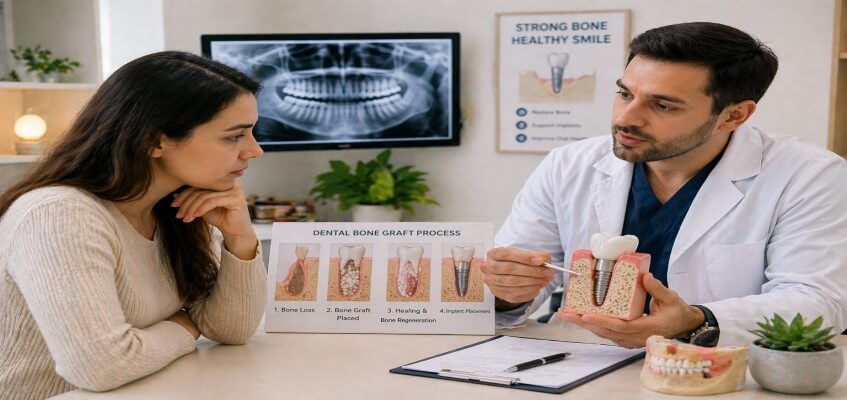
In simple terms, it’s about adding bone to your jaw. Usually because there isn’t enough there to support something like an implant.
Why It’s Done
The idea is to build a solid base. Without enough bone, implants don’t really hold well, so this step becomes necessary.
Types of Bone Grafts
There isn’t just one type. It could be your own bone, a synthetic material, or even donor tissue. Depends on what your situation looks like.
Healing Process
This part takes time. The graft doesn’t just sit there, it slowly fuses with your existing bone. That’s what gives it strength later on.
Can Dental Bone Grafts Fail? Understanding the Risks
Bone grafts generally have a high success rate. But yes, failure can happen in certain cases, mostly when the graft doesn’t integrate properly.
Infection
If the area gets infected, healing can get interrupted. This is one of the more common reasons for problems.
Poor Blood Supply
Bone needs good blood flow to heal. If circulation isn’t great, the graft might struggle.
Smoking
This one comes up again and again. Smoking slows healing and increases the risk of complications. It really does affect outcomes.
Medical Conditions
Things like diabetes or immune issues can interfere with how your body heals.
Improper Aftercare
Sometimes it’s just not following instructions properly after the procedure. Small things can affect healing more than people expect.
Signs of Bone Graft Failure
Spotting issues early can save you a lot of trouble.
Persistent Pain
Some discomfort is normal. But if it doesn’t improve, something might be off.
Swelling or Infection
Too much swelling or any discharge is usually a warning sign.
Graft Exposure
If the graft becomes visible, it’s probably not healing as it should.
Delayed Healing
If recovery is taking longer than expected, it’s worth getting checked.
Benefits of Dental Bone Grafting
Even with the risks, this procedure is pretty important.
Supports Dental Implants
It creates a stable base so implants can actually last.
Restores Jaw Structure
Helps bring back both function and appearance.
Prevents Further Bone Loss
Stops the jawbone from weakening over time.
Enhances Functionality
Chewing and speaking tend to feel more natural again.
Pros and Cons of Bone Grafting
Pros
- High success rate
- Better outcomes for implants
- Restores lost bone
- Improves overall oral function
Cons
- Takes time to heal
- Small risk of infection or complications
- Adds to cost
- Rarely, may need to be repeated
Real Life Examples
Case 1 Successful Implant Preparation
Someone with bone loss had a graft done, healed well, and later got an implant without issues.
Case 2 Delayed Healing
In another case, healing was slower because aftercare wasn’t followed properly. It improved once things were handled better.
Case 3 Infection Related Failure
There was a situation where infection caused early problems. But it was caught, treated, and a second attempt worked out fine.
How to Reduce the Risk of Failure
A few things really make a difference here.
Choose an Experienced Dentist
This is probably the biggest factor. Planning and technique matter a lot.
Follow Post Treatment Instructions
It sounds basic, but it directly affects healing.
Maintain Oral Hygiene
Keeping things clean reduces infection risk.
Avoid Smoking
Even pausing for a while can help more than people expect.
Attend Follow Up Visits
Regular checkups help catch small issues early.
Why Choosing the Right Clinic Matters
A lot depends on who’s doing the procedure. Experience, proper diagnosis, and the setup all play a role.
That’s why people often look for the Best Dentist in Deira, Dubai. Not just for the procedure itself, but to make sure everything around it, from planning to follow up, is handled properly.
Frequently Asked Questions
How common is dental bone graft failure?
It’s rare, especially when done by experienced professionals.
Can a failed bone graft be fixed?
In many cases, yes. Once the issue is addressed, it can be done again.
Is bone grafting painful?
It’s done under anesthesia. Recovery can feel uncomfortable, but it’s manageable.
How long does it take to heal?
Usually a few months, depending on the person.
Is bone grafting safe?
Yes, it’s widely used and generally safe.
Conclusion
So, can dental bone grafts fail? Yes, but it’s not something that happens often.
Most of the time, with the right dentist and proper care, things go as expected. Understanding the risks, following instructions, and keeping up with follow ups all help things go in your favor.
And when it works, which it usually does, it sets things up for long term solutions like implants and better oral health overall.
Book Your Consultation at Calcium Clinic
If you’re thinking about getting a dental bone graft or just want to understand your options, Calcium Clinic can help you figure it out.
Book a consultation and get a clearer idea of what’s needed. Sometimes it just makes more sense when you sit down and talk it through.