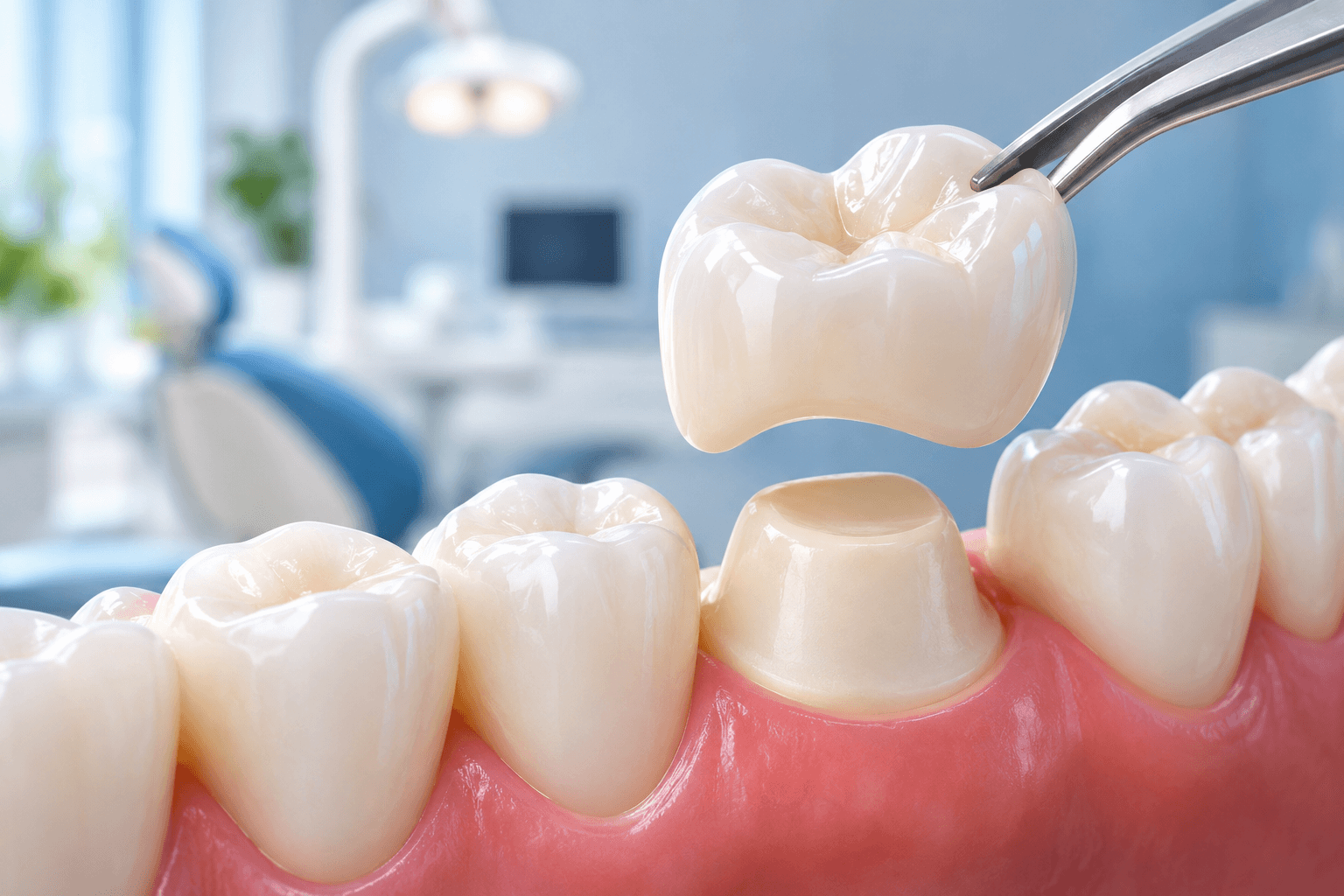
A porcelain dental crown is a custom-made, tooth-shaped cap that fits over the entire visible portion of a damaged or decayed tooth, restoring its strength, shape, and appearance. It is one of the most versatile restorations in dentistry because it can protect a weakened tooth, complete a root canal, anchor a bridge, or dramatically improve a smile. If you are searching for a Best Dental Clinic in Deira Dubai, understanding what a porcelain crown actually involves will help you make a confident decision.
Porcelain Dental Crown Actually Does
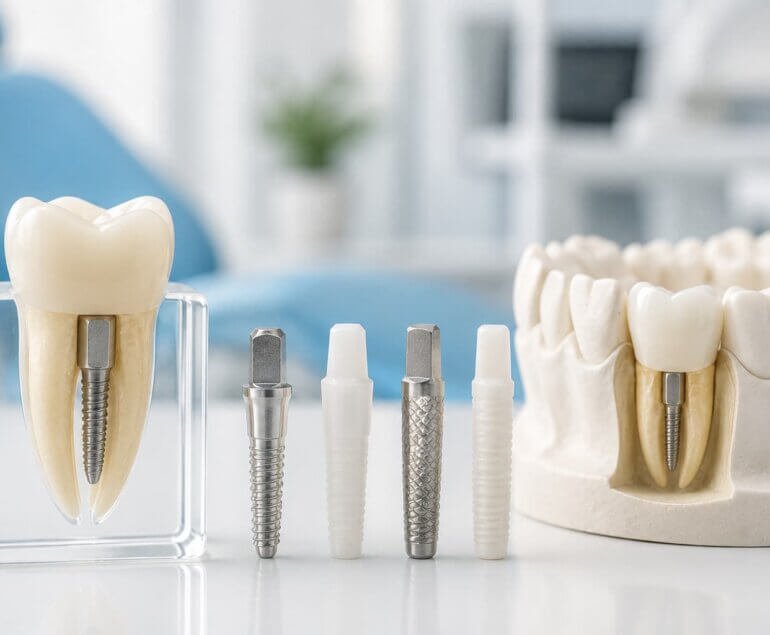
A crown becomes necessary when a tooth is too damaged for a filling but not damaged enough to extract. The most common reasons include severe decay that has consumed too much tooth structure, cracks that could split further under chewing pressure, and teeth that have become brittle after root canal treatment. Crowns also rebuild worn-down teeth from grinding or acid erosion, support dental bridges, and cover dental implants once they have integrated with the jawbone.
The key difference between a crown and a veneer is coverage. A veneer covers only the front surface of a tooth, while a crown encases the entire tooth above the gum line. That full coverage is what gives a crown its protective strength.
Porcelain vs. Other Crown Materials
Not all porcelain crowns are the same, and the terminology can be confusing. Here is how the main options compare:
| Crown Type | Best For | Key Trade-Off |
| Full porcelain or ceramic | Front teeth where appearance matters most | Most natural translucency, less suited to heavy back-tooth forces |
| Porcelain fused to metal (PFM) | Back teeth needing strength and some aesthetics | Strong, but can show a dark gum line over time |
| Zirconia | Back teeth, patients who grind, implant crowns | Extremely strong and metal-free, slightly less translucent than full porcelain |
| E-max (lithium disilicate) | Front and premolar teeth | Excellent balance of strength and lifelike appearance |
Pure porcelain and ceramic crowns are metal-free, which eliminates allergy concerns and the grey margin that sometimes appears with PFM crowns. Zirconia is roughly five times stronger than traditional porcelain and is currently recommended for patients with heavy bite forces or bruxism. The choice depends on which tooth is being restored, how much force it takes, and how visible it is when you smile.
The Procedure: Two Visits, Sometimes Three
A porcelain crown typically requires two appointments. At the first visit, the dentist takes X-rays to check for infection, numbs the area, and reshapes the tooth so the crown can fit over it without looking bulky. An impression or digital scan is taken and sent to a dental laboratory, where the crown is custom-fabricated. A temporary crown protects the prepared tooth in the meantime.
At the second visit, the temporary crown is removed and the permanent one is checked for fit, bite, and color before being cemented in place. Some clinics with in-house milling technology can produce a crown in a single visit, but laboratory-fabricated porcelain remains the standard for the best aesthetics.
What Most People Do Not Consider
One common mistake is assuming a crowned tooth cannot decay. The crown itself cannot get a cavity, but the tooth underneath it can, especially at the margin where the crown meets the gum. Flossing and brushing that margin daily matters as much as it does for a natural tooth.
Another overlooked factor is the health of the opposing tooth. A porcelain crown is hard, and if it bites against a natural tooth that has been worn down, the forces may be uneven. An experienced dentist will check the bite carefully before cementing the crown.
For patients considering Dental crowns in dubai, it is worth asking whether the clinic offers Dental Crowns & Bridges in Deira as a combined service, since a bridge uses crowns on neighbouring teeth to replace a missing one. If you are looking for a Cheap Dentist in Dubai, remember that the material choice and laboratory quality affect longevity more than the initial appointment convenience. A Cheap Dental Clinic Deira may offer lower fees, but the crown material, fit, and the dentist’s preparation technique are what determine whether it lasts five years or fifteen.
How Long They Last
With good oral hygiene and normal wear, porcelain crowns typically last between ten and fifteen years, though many last longer. Zirconia crowns often outlast traditional porcelain in the back of the mouth. The factors that shorten crown life include teeth grinding without a night guard, biting hard objects like ice or fingernails, and gum recession that exposes the crown margin to decay.
Caring for a Porcelain Crown
Treat the crowned tooth like a natural one. Brush twice daily, floss around the margin, and attend regular check-ups so the dentist can monitor the fit. If you grind your teeth at night, ask about a protective guard, because porcelain can chip under repeated heavy force. Avoid using the crowned tooth to open packaging or crack nuts.
If you are unsure whether you need a crown or a filling, a consultation with a Best Dentist in Deira, Dubai will clarify the extent of the damage and the most conservative option. Many clinics offering comprehensive Services will include a crown assessment as part of a routine examination.
Book your appointment
Frequently asked questions
What is a crown used for in dentistry?
A crown is used to cover and protect a damaged, decayed, or root-canal-treated tooth, restore its shape and chewing function, anchor a bridge, or cover a dental implant.
What is porcelain used for in dentistry?
Porcelain is used for crowns, veneers, bridges, and inlays because it closely mimics the translucency and color of natural enamel while being biocompatible and metal-free.
Are porcelain crowns more expensive?
Full porcelain and ceramic crowns tend to cost more than porcelain fused to metal because of the laboratory work and material quality involved, but the final fee depends on the clinic, the tooth location, and whether zirconia or E-max is used.
Are porcelain veneers good for teeth?
Porcelain veneers are a good option for improving the appearance of front teeth when the underlying tooth structure is intact, but they are not a substitute for a crown when a tooth is heavily damaged or weakened.
If you are considering a porcelain crown, the next step is a clinical examination and X-ray to confirm the tooth is suitable. Book an appointment with Calcium Clinic for a full assessment and a recommendation based on your specific tooth, bite, and budget.