
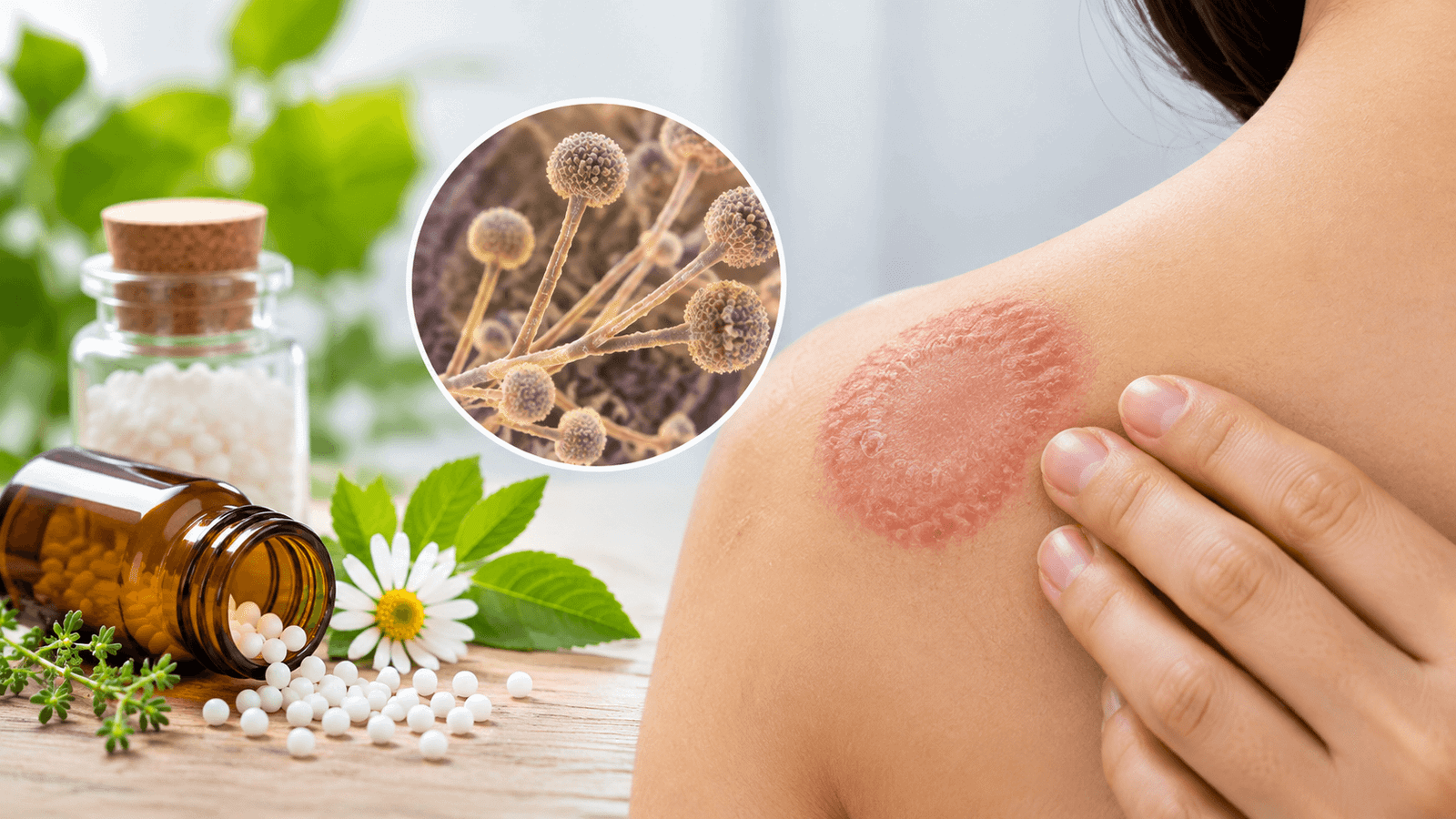
Can homeopathy cure fungal infection permanently?No, homeopathy cannot cure fungal infections permanently. Fungal infections are caused by living organisms, yeasts and molds, that multiply on or inside the body, and clearing them requires antifungal agents that directly kill or stop those organisms. Homeopathic remedies are diluted to the point where no active antifungal molecule remains, so they cannot destroy the fungus itself. What homeopathy may do, in some cases, is support the body’s general response or help manage surface irritation, but relying on it alone allows the infection to spread or become chronic.
That said, the question deserves a fuller answer than a simple no. Many people turn to homeopathy after repeated courses of antifungal creams that clear a rash only for it to return weeks later. The real issue is rarely whether a remedy kills fungus, it is whether the conditions that let fungus thrive are corrected. A qualified practitioner at a Homeopathy Clinic in Dubai can help assess those underlying factors, but permanent clearance still depends on proven antifungal treatment and prevention habits.
What Actually Determines Whether a Fungal Infection Clears
Three factors decide the outcome: the type of fungus, the location on the body, and the host environment. A superficial infection like athlete’s foot behaves differently from scalp ringworm or nail fungus, which sits under keratin where creams barely penetrate.
| Infection type | Typical location | Standard treatment approach |
| Athlete’s foot | Between toes, soles | Topical terbinafine or clotrimazole, 1 to 4 weeks |
| Ringworm | Skin, groin, scalp | Topical for skin; oral antifungals for scalp |
| Nail fungus | Toenails, fingernails | Oral terbinafine or itraconazole, sometimes laser or nail removal |
| Yeast infection | Skin folds, mouth, genitals | Topical or oral azoles depending on severity |
The table shows a clear pattern: superficial skin infections often respond to topical treatment, while deeper or keratin-based infections need oral medication. Homeopathy does not appear in any evidence-based treatment protocol for these conditions.
Where Homeopathy Fits, and Where It Does Not
Homeopathic prescribing works on a different principle from pharmacology. A remedy is selected to match the person’s overall symptom picture, not to target a pathogen. For a fungal infection, a practitioner might consider remedies based on the appearance of the rash, the type of discharge, or accompanying symptoms like itching that worsens at night.
Some patients report that this approach helps with discomfort or seems to reduce flare frequency. That is a real observation, but it is not the same as curing the infection. The fungus remains present. The risk is that a person delays effective treatment while the infection digs deeper, especially with nail fungus, which becomes harder to treat the longer it goes unaddressed.
For anyone considering this route, a Female Homeopathy Doctor in Dubai can provide a balanced view of what homeopathy can and cannot do alongside conventional care. The honest position is that homeopathy may be used as a complementary support, never as a replacement for antifungal medication when permanent clearance is the goal.
Why Fungal Infections Return After Treatment
Recurrence is the most frustrating part of fungal infections. The fungus often never fully disappeared, or the person was reinfected from their own environment. Shoes, socks, towels, shower floors, and even pets can harbour spores.
Common mistakes that lead to recurrence include stopping treatment as soon as the skin looks normal, using a steroid cream on a fungal rash because it calms the itch while actually feeding the infection, and treating only the affected person while ignoring shared household surfaces. Nail fungus has an extra problem: the nail acts as a protective shield, so topical creams cannot reach the fungus underneath.
Permanent clearance means treating long enough, often weeks beyond visible improvement, and changing the conditions that allowed the fungus to grow.
Can homeopathy cure fungal infection permanently?Practical Steps That Make a Difference
- Dry skin thoroughly after bathing, especially between toes and in skin folds.
- Change socks and underwear daily, and choose cotton or moisture-wicking fabrics over synthetics.
- Wear sandals in public showers, locker rooms, and around pools.
- Wash towels, bedding, and clothing in hot water during an active infection.
- Treat shoes with antifungal powder or alternate pairs so they dry fully between wears.
These habits matter as much as the medication. A person who takes oral terbinafine for nail fungus but keeps wearing the same damp shoes is inviting reinfection.
How Long Fungal Infections Take to Cure
Skin infections like athlete’s foot or ringworm typically clear within one to four weeks of consistent topical treatment. Scalp ringworm and nail fungus take longer, often three to six months or more, because oral medication must reach the keratin where the fungus lives and then wait for healthy tissue to grow out.
Homeopathic remedies do not shorten this timeline. The recovery period is set by the biology of the fungus and the tissue involved, not by the choice of complementary therapy.
Choosing the Right Treatment Path
The best medicine for fungal treatment depends on the location and severity. Clotrimazole and miconazole are common over-the-counter options for skin. Terbinafine is available both topically and orally and is often preferred for nail infections. Oral itraconazole or fluconazole may be used for stubborn or widespread cases. A doctor should confirm the diagnosis first, because psoriasis, eczema, and bacterial infections can mimic fungal rashes.
For readers in the UAE, calcium clinic offers integrated care where a doctor can diagnose the infection accurately and discuss whether homeopathic support has any role in the individual case. If you are unsure what you are dealing with or have already tried multiple treatments without lasting results, contact us to book an assessment. A clear diagnosis is the first step toward actually resolving the problem.
Frequently Asked Questions
How to rid the body of fungal infections naturally?
Natural approaches focus on creating an environment where fungus struggles to survive: keeping skin dry, wearing breathable fabrics, reducing sugar intake, and using diluted tea tree oil on mild skin infections. These measures support recovery but rarely clear an established infection on their own, especially nail or scalp fungus.
How long do fungal infections take to cure?
Superficial skin infections usually clear in one to four weeks with consistent topical treatment. Nail fungus and scalp ringworm often require three to six months or longer because oral medication must reach deep tissue and healthy tissue must replace the infected area.
Can homeopathy help with fungal infections on the skin?
Homeopathy may help manage symptoms like itching or discomfort in some people, but it does not kill the fungus. Any apparent improvement should not be taken as a cure, and proven topical antifungals remain necessary for actual clearance.
Which medicine is best for fungal treatment?
The best choice depends on the location and severity. Clotrimazole and terbinafine are common for skin infections. Oral terbinafine or itraconazole is typically needed for nail fungus. A doctor should confirm the diagnosis before treatment begins, since other skin conditions can look similar.