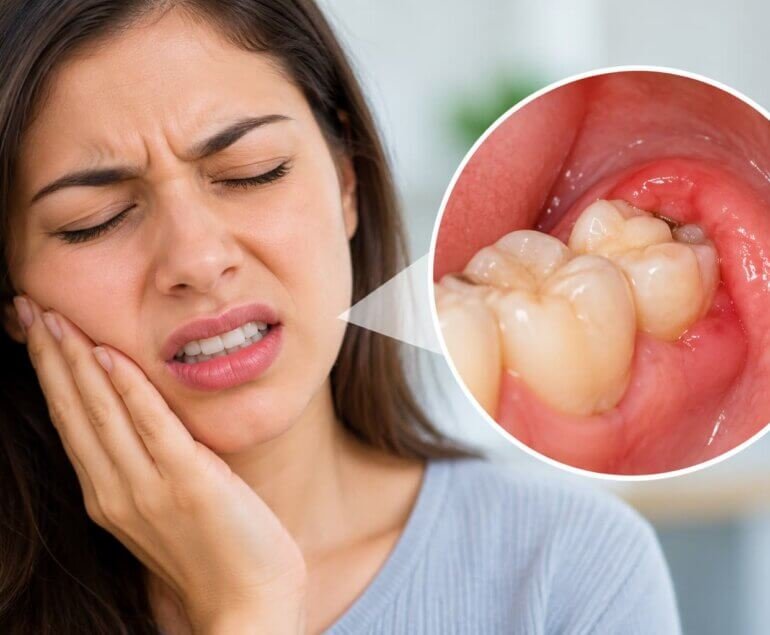
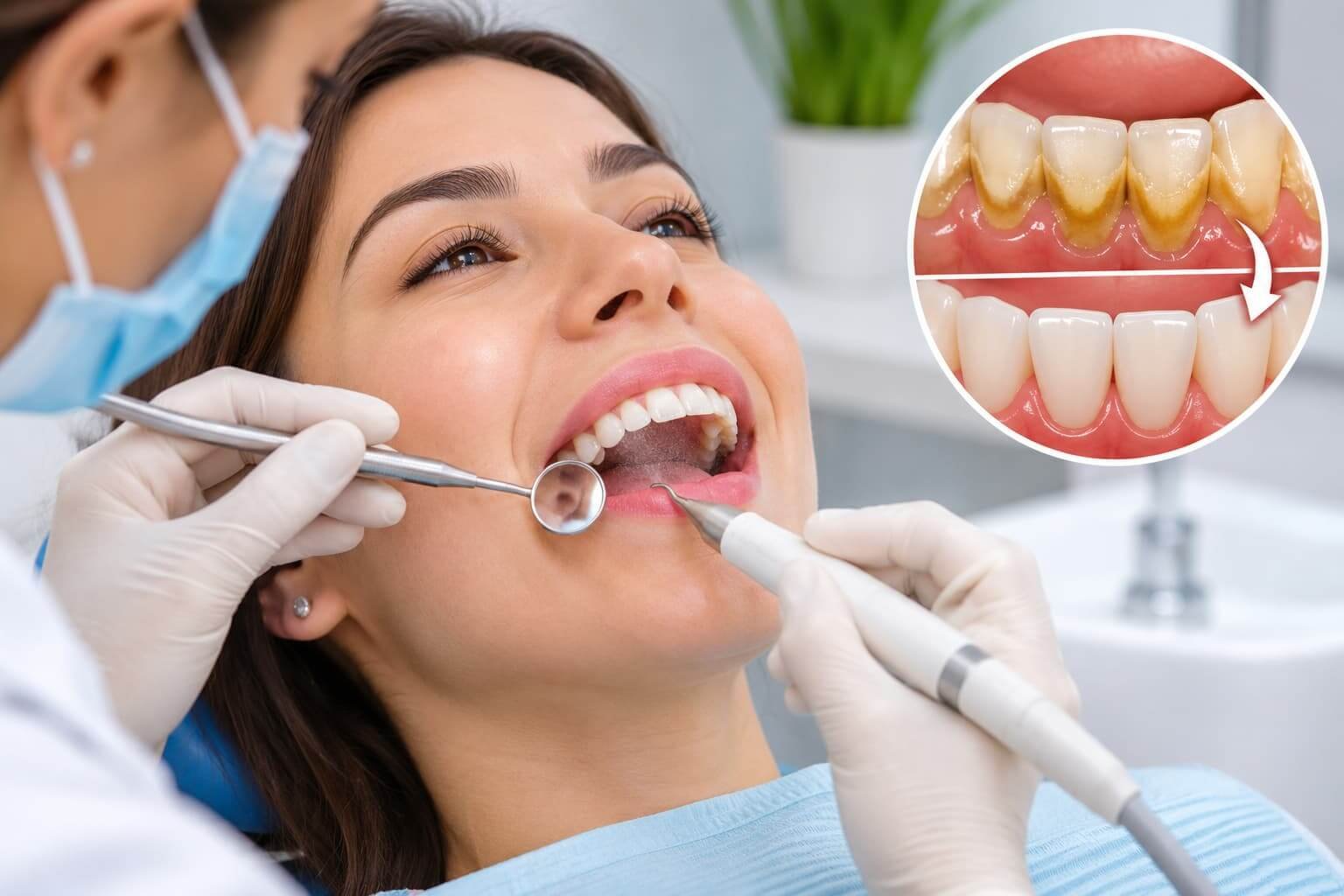
No, teeth scaling is not harmful when performed by a qualified dental professional. The procedure removes hardened plaque (tartar) that brushing cannot, and it actually protects your teeth and gums from disease. The discomfort some people feel afterward is temporary and manageable, not a sign of damage. At Calcium Clinic, patients often arrive worried about this exact question and leave surprised by how straightforward the process is.
Is teeth scaling harmful? What Scaling Actually Does to Your Teeth
Scaling uses either manual handheld instruments or an ultrasonic device with a vibrating tip and water spray to break the bond between tartar and tooth enamel. The key fact that eases most fears: these tools are designed to remove calcified bacterial deposits, not to cut or abrade healthy enamel. Enamel is harder than the tartar being removed, so the instruments work on the deposit while leaving the tooth surface intact.
Polishing follows scaling and uses a soft rubber cup with an abrasive paste to smooth the tooth surface. This makes it harder for new plaque to stick and removes surface stains from food, drinks, or smoking. The smoothing effect is cosmetic and functional at the same time.
Normal Side Effects vs. Actual Harm
The distinction matters. Most “side effects” people report are either normal healing responses or the unmasking of pre-existing problems.
| Sensation | Why It Happens | How Long It Lasts |
| Sensitivity to hot or cold | Tartar was covering exposed root dentin; now it is exposed | 24 to 72 hours, fading within a week |
| Gum tenderness or slight bleeding | Gums were already inflamed from bacteria before cleaning | A few days, improving as gums heal |
| Feeling that teeth are loose | Heavy tartar was masking bone loss from gum disease | Underlying condition, not caused by scaling |
| Teeth feel “gappy” | Tartar filled spaces between teeth; removal reveals true gaps | Permanent, but reflects real anatomy |
None of these indicate that scaling damaged your teeth. They reflect what was already happening beneath the buildup.
The Myth That Scaling Weakens or Loosens Teeth
This is the most persistent misconception. Tartar acts like a splint around teeth, holding them in place even as gum disease destroys the supporting bone underneath. When scaling removes that splint, teeth may feel mobile for the first time. The scaling did not cause the looseness; the untreated gum disease did. Leaving the tartar in place would have allowed the bone loss to continue silently.
Similarly, scaling does not thin enamel. Studies and clinical experience consistently show that professional instruments, used correctly, remove negligible enamel. The white flecks some people notice after cleaning are usually areas where tartar had been shielding enamel from saliva and fluoride, not scratches.
Who Should Be More Cautious
For most people, scaling is safe and recommended every six months or as advised by a dentist. A few groups need extra consideration. People with certain heart conditions may require antibiotic prophylaxis before deep cleaning, though this guidance has narrowed in recent years. Those with bleeding disorders or on strong blood thinners should inform the dentist beforehand. Patients with exposed dentin or severe gum recession may experience more pronounced sensitivity after scaling, which a dentist can manage with desensitizing agents or adjusted technique.
If you are looking for a reliable provider, Calcium Clinic offers preventive dental care alongside restorative treatments such as dental crowns in dubai and other services. The clinic is known as a Best Dental Clinic in Deira Dubai for patients seeking thorough cleanings without unnecessary upsells.
What to Do After Scaling
The first 48 hours matter most. Avoid very hot or cold drinks if sensitivity is present. Skip staining foods and beverages like coffee, tea, red wine, and dark sauces for at least a day, since freshly polished enamel absorbs pigments more readily. Do not smoke during this window. Brush gently with a soft-bristled brush and use a toothpaste formulated for sensitive teeth if needed. Saltwater rinses can soothe irritated gums.
A common mistake is stopping flossing because gums bleed slightly. The opposite is true: gentle flossing helps the inflammation resolve faster. Bleeding should decrease within a few days. If it persists beyond a week, return to the dentist.
When Scaling Is Not Enough
Scaling removes deposits above and slightly below the gumline. If tartar extends deep into gum pockets, a deeper procedure called root planing may be needed. This smooths the root surfaces so gums can reattach. Your dentist will measure pocket depths and recommend the appropriate level of cleaning. Skipping this step when indicated allows gum disease to progress, eventually leading to tooth loss.
For patients who need restorative work after a deep cleaning, options like Dental Crowns & Bridges in Deira are available through the same clinic, which simplifies coordinated care. Those seeking an affordable option can find a Cheap Dentist in Dubai without compromising on hygiene standards, though it is worth verifying that the clinic follows proper sterilization protocols. If cost is your main concern, a Cheap Dental Clinic Deira can still deliver thorough, professional cleanings.
The Real Risk Is Skipping Scaling
Untreated tartar causes gingivitis, which progresses to periodontitis, bone loss, and eventually tooth loss. Bad breath, bleeding gums, and receding gums are early warnings. Scaling interrupts this process. The temporary sensitivity some patients feel is a small trade-off compared to the irreversible damage of advanced gum disease.
If you have not had a cleaning recently and are concerned about sensitivity, bleeding, or loose teeth, the next step is a straightforward examination. Book Appointment with a Best Dentist in Deira, Dubai who can assess your gum health and explain exactly what your teeth need.
Frequently Asked Questions
1. Does teeth scaling damage tooth enamel?
No, professional teeth scaling does not normally damage healthy tooth enamel when performed correctly by a qualified dental professional. It removes plaque and hardened tartar that cannot be eliminated through regular brushing.
2. Why do teeth feel loose after scaling?
Teeth may feel loose after scaling if heavy tartar was previously surrounding them and masking existing mobility caused by gum d
3. How long does tooth sensitivity last after scaling?
Tooth sensitivity after scaling usually improves within a few days, although it may last longer in people with gum recession or exposed tooth roots. Using toothpaste for sensitive teeth and avoiding extreme temperatures can help. Consult your dentist if the sensitivity persists or worsens.
4. How often should you get teeth scaling?
Many people benefit from professional dental cleaning every six months. However, the ideal frequency depends on your oral hygiene, tartar buildup, and gum health. People with gum disease may need more frequent professional cleanings as recommended by their dentist.