Can dental posts cause cancer? It’s one of those questions people don’t ask out loud until they’re already sitting in the chair, staring at an x ray of a little metal rod in their tooth and quietly panicking. Short version: a dental post is basically a small rod placed inside a treated tooth to hold a crown or filling steady, and no, on its own it’s not something that’s been shown to cause cancer.
Worrying about metal sitting inside your body isn’t weird though, people search for this after reading some alarming headline at midnight more often than you’d think. So this piece digs into what these posts are actually made of, what the research actually says, and honestly when it’s worth just booking a consultation if something specific is bugging you about a post you already have.
At Calcium Clinic this comes up a lot, especially right after someone’s had a root canal done. Once you actually understand what a post is doing in there and what it’s made from, most of the worry around whether dental posts cause cancer tends to just fall away.
What’s a Dental Post Even For
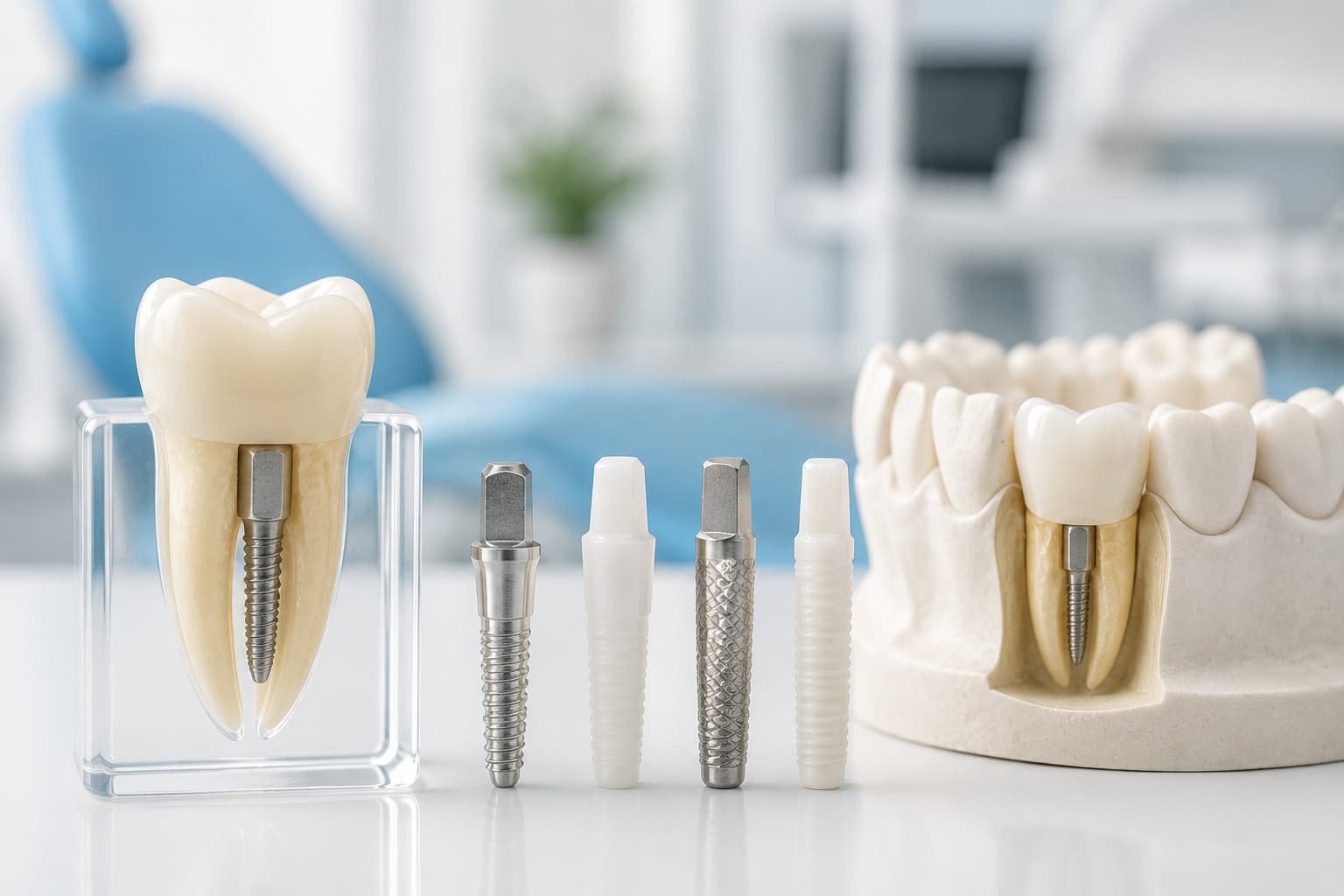
A dental post goes inside the root canal once the nerve’s been removed. Basically it gives the tooth something solid to hold onto so a crown can sit on top without wobbling loose.
You mostly need one when there’s barely any natural tooth left after decay or a root canal chewed through most of it. Skip the post and the leftover structure just isn’t strong enough to keep a crown in place for long.
So Can Dental Posts Cause Cancer
No, not based on anything current research actually shows. The materials used get tested extensively for safety long before they ever end up in someone’s mouth, and none of them are classified as carcinogens.
A lot of the confusion honestly has nothing to do with dentistry specifically. People are worried about metal in general, some vague old wives tale territory about dental work and illness. Ask someone can dental posts cause cancer and dig a little and it’s usually really about a broader unease with anything metallic being placed inside the body, not a dental question at all.
What Posts Are Actually Made Of
Quick rundown of the common materials and roughly how safe each one’s considered, based on established dental research, not internet forums.
| Material | Common Use | Safety Profile |
| Titanium | Strong posts for heavily damaged teeth | Biocompatible, widely used across medicine |
| Stainless steel | Standard prefabricated posts | Long track record of safe dental use |
| Fiber reinforced composite | Front tooth aesthetics | Non metallic, generally well tolerated |
| Zirconia | Tooth coloured posts | Ceramic based, considered inert |
None of these show up in dental literature as linked to cancer. Not one.
Where This Worry Actually Comes From
Honestly most people asking can dental posts cause cancer aren’t reacting to any actual dental study. They’re reacting to some viral post they scrolled past, or a general anxiety about metal fillings and implants that’s been floating around online for years without much science behind it.
Doesn’t help either that people mix up old amalgam filling controversies with modern posts and crowns, even though those are completely different materials doing completely different jobs. Once someone gets that distinction, can dental posts cause cancer usually stops nagging at them.
What the Research Says, Plainly
Long term studies on posts, crowns, implants, all of it, haven’t turned up a cancer link. Before any of these materials reach a dental clinic they go through a lot of biocompatibility testing, which is honestly why dentists can just answer can dental posts cause cancer with a flat no and mean it.
Curious how Best Dental Clinic in Deira Dubai picks and uses these materials in practice? Our team’s happy to walk you through what actually goes into your treatment plan and why we chose it.
Still Worth Seeing a Dentist For These
Posts themselves aren’t the risk, but that doesn’t mean ignore weird changes in your mouth. Keep an eye out for:
- A lump or thickened patch near a treated tooth
- Pain that just won’t fade on a normal healing timeline
- Swelling around the gum near a post or crown that seems off
- A sore that’s still there after two weeks
Nine times out of ten this points to infection or gum trouble rather than the post material itself, but get it looked at anyway. Always.
Finding a Dentist You Trust
Picking an experienced Best Dentist in Deira, Dubai, does more for your long term outcome than any amount of worrying about whether dental posts cause cancer ever will. Good technique and actually showing up for checkups protect your teeth way more than avoiding posts altogether.
Thinking about Dental Crowns in Dubai alongside a post? Just ask your dentist what materials they’re planning to use and why, so you’re not going in blind.
Bottom Line
Can dental posts cause cancer? No, not based on what current dental research shows. They’re made from tested, biocompatible materials, and honestly the stuff that actually matters afterward is good placement, decent oral hygiene, and showing up for regular checkups, not obsessing over the material itself.
Got questions about a post you already have, or thinking about getting one? Schedule a consultation with our team at Calcium Clinic and we’ll walk you through exactly what to expect.
Frequently Asked Questions
1 Can dental posts cause cancer if they’re left in for years?
No solid evidence for that. These materials are biocompatible and hold up fine over time.
2 Are metal posts riskier than the tooth coloured kind?
Not really, both are considered safe. It usually comes down to strength versus how it looks, not safety.
3 Should I get an old post pulled out just to be careful?
No real reason to, not for cancer concerns anyway. Removal only makes sense if there’s damage, infection, or some other actual dental issue going on.
4 Can dental posts trigger an allergic reaction?
Rarely, some people have metal sensitivities, which is why dentists sometimes suggest non metallic options for those patients.
5 Is some discomfort after getting one placed normal?
A little sensitivity for a few days, sure, that’s typical. Pain or swelling that sticks around though, get that checked.