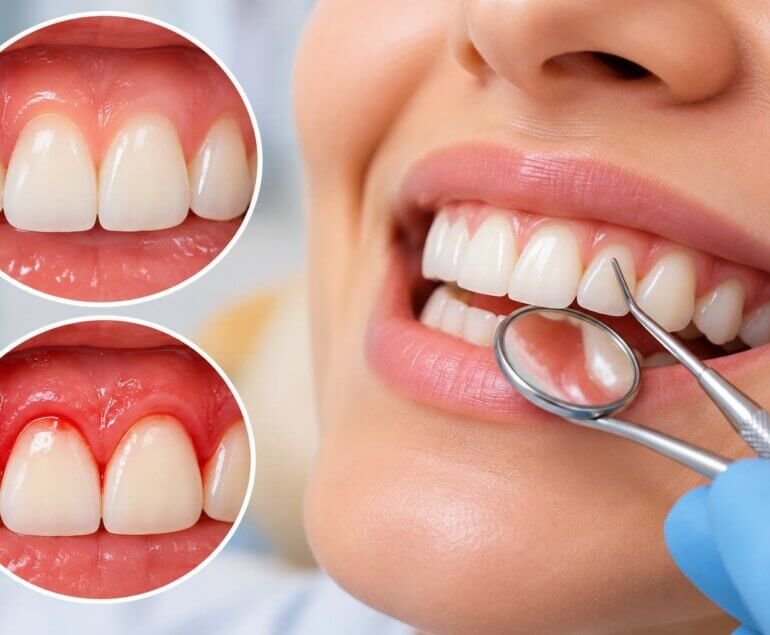
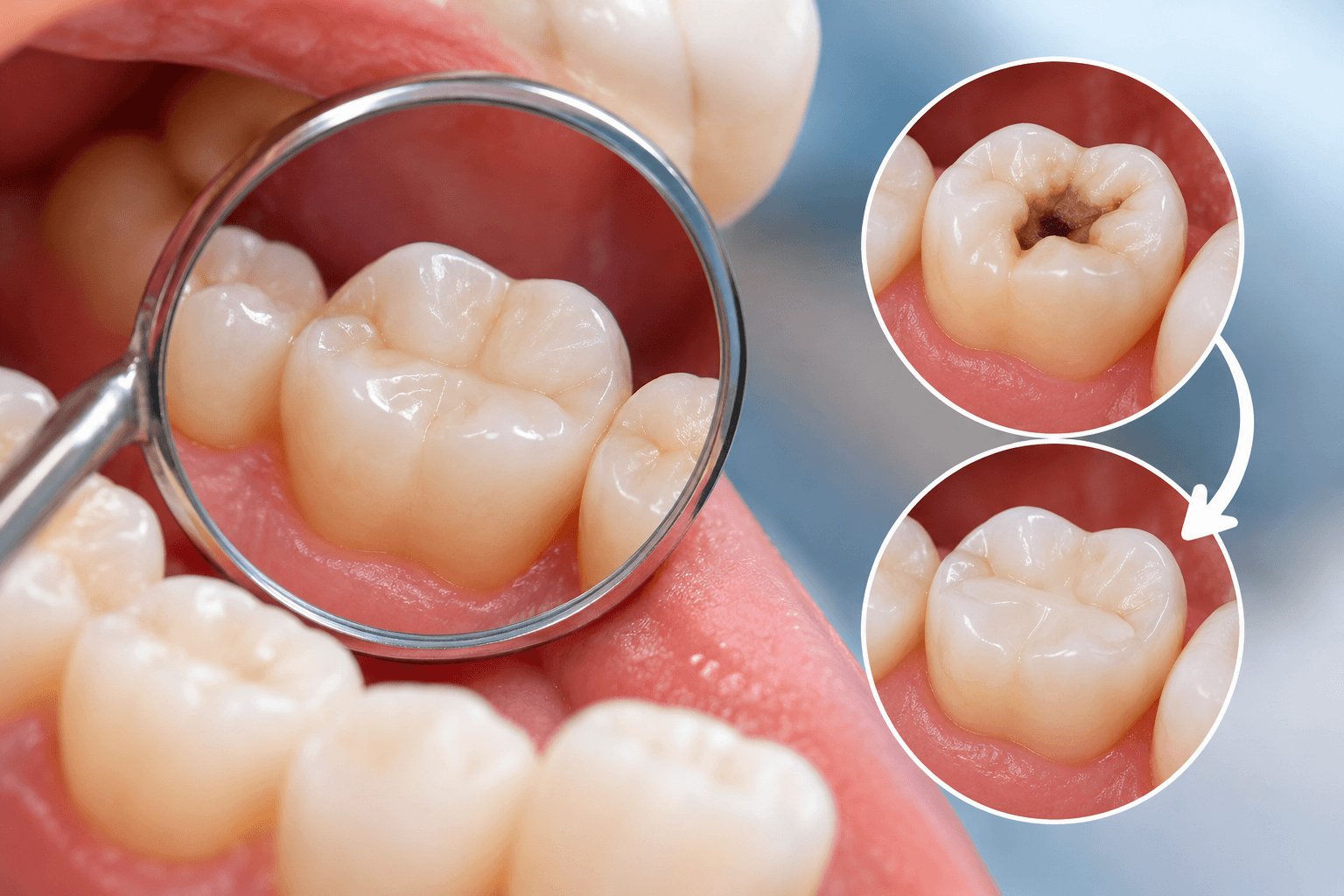
Benefits of Tooth Filling,A tooth filling repairs a cavity, chip, or crack by removing damaged tissue and sealing the tooth with a durable material, stopping decay from spreading and restoring normal biting function. The procedure is quick, typically painless with local anaesthetic, and remains one of the most effective ways to save a tooth that would otherwise deteriorate. At Calcium Clinic, patients often ask whether a small cavity needs treatment right away, and the short answer is yes: untreated decay does not heal on its own.
What a Filling Actually Does for Your Tooth
The core benefit of a filling is structural preservation. When bacteria eat through enamel and create a cavity, the tooth loses its protective outer layer and some of its load-bearing shape. A filling replaces that lost structure and seals the microscopic channels in dentin that would otherwise allow bacteria, food particles, and plaque to reach the pulp. This is why fillings stop decay progression rather than simply covering it.
Beyond decay, fillings repair fractures and worn surfaces. A cracked tooth under daily chewing pressure can split further without reinforcement. The filling material bonds the weakened walls together, distributing force more evenly across the tooth.
Immediate Benefits You Can Feel
Most people notice the difference within a day or two of treatment. Sensitivity to hot, cold, or sweet foods typically subsides once the filling covers exposed dentin and nerve endings. Chewing becomes comfortable again because the tooth regains its original height and contour, which also prevents neighbouring teeth from drifting into the gap.
There is also a preventive financial benefit. A small filling now avoids a root canal, crown, or extraction later. Dental fillings are among the least invasive restorative treatments available, and catching decay early keeps the overall treatment simpler and shorter.
Comparing Filling Materials
The right material depends on the tooth’s location, the size of the cavity, and aesthetic priorities. Here is how the main options compare:
| Material | Best For | Key Advantages | Limitations |
| Composite resin | Front and visible teeth | Tooth-coloured, bonds directly to tooth structure | May wear faster on large back-tooth fillings |
| Glass-ionomer cement | Small fillings, children, root surfaces | Releases fluoride, good for non-biting areas | Less durable under heavy chewing |
| Dental amalgam | Large back-tooth fillings | Very durable, long track record | Silver colour, requires more tooth removal |
| Porcelain | Inlays and onlays | Excellent aesthetics, stain-resistant | Requires multiple visits, higher cost |
| Gold | Back teeth where longevity matters most | Exceptional durability, well tolerated by gums | Expensive, noticeable colour |
Composite resin is currently the most common choice for visible teeth, while amalgam remains a safe and practical option for posterior teeth in many cases. The claim that amalgam is unsafe has been reviewed extensively by health authorities, and current evidence supports its continued use for appropriate patients.
Signs You May Need a Filling
Not every cavity causes pain. Early decay often produces no symptoms at all, which is why regular dental examinations matter. Signs that a filling may be needed include:
- Sensitivity to hot, cold, or sweet foods that lingers
- A visible dark spot, hole, or rough area on a tooth
- Food repeatedly getting stuck in the same spot
- Floss that shreds or catches on a tooth edge
- A chipped or fractured tooth surface
- Dull aching after eating
If any of these appear, a dental examination can determine whether decay is present and how deep it extends. Waiting until pain becomes constant usually means the decay has reached the pulp, and a filling may no longer be sufficient.
What the Procedure Involves
A filling appointment follows a predictable sequence. The dentist numbs the area with local anaesthetic, removes the decayed or damaged tissue using a drill or laser, then cleans and disinfects the cavity. An acid gel prepares the tooth surface for bonding in the case of composite fillings. The material is placed in layers, hardened with a curing light, and shaped to match your bite. A final polish smooths the surface so it feels natural against the tongue and opposing teeth.
Most fillings are completed in a single visit. Porcelain inlays or onlays may require two appointments because the restoration is fabricated outside the mouth before being bonded in place.
Long-Term Care and Replacement
Fillings are long-lasting but not permanent. Composite fillings typically last several years before wear or marginal staining suggests replacement. Amalgam and gold can last considerably longer. The most common reasons for replacement are recurrent decay at the filling margin, fracture of the filling or remaining tooth structure, and simple wear over time.
Good oral hygiene extends filling life. Brushing twice daily with fluoride toothpaste, flossing around the filling margins, and limiting sugary snacks reduce the bacterial load that causes new decay. Drinking tap water where fluoride is present adds further protection.
One practical mistake many people make is assuming a filled tooth no longer needs attention. The margin where filling meets tooth is still vulnerable to plaque accumulation, and that junction deserves the same care as any other tooth surface.
When a Filling Is Not Enough
Fillings work well for small to moderate cavities. If decay has destroyed more than roughly half the tooth’s chewing surface, a filling may not provide enough structural support. In those cases, dental crowns in dubai or similar restorative options become necessary. Likewise, if decay reaches the pulp, a root canal followed by a crown is usually indicated. A dentist can assess the extent of damage and recommend the most conservative treatment that will still hold up over time.
For patients seeking affordable care, options such as a Cheap Dentist in Dubai or a Cheap Dental Clinic Deira can provide fillings without compromising on materials or technique. The key is choosing a provider who explains the material options clearly and checks the bite carefully after placement. A filling that sits too high causes discomfort and can crack the tooth, while one that sits too low fails to protect the opposing teeth from excessive wear.
Practical Advice Before and After Treatment
If you suspect a cavity, schedule an examination promptly. Early decay is easier and less expensive to treat than advanced decay. After a filling, avoid chewing on the numbed side until sensation returns to prevent accidentally biting your cheek or tongue. Composite fillings harden immediately, so there is no waiting period before eating, but sensitivity to cold may persist for a few days.
For anyone in the Deira area, finding a Best Dental Clinic in Deira Dubai or a Best Dentist in Deira, Dubai ensures access to proper diagnosis and material selection. Many clinics also offer related Services such as Dental Crowns & Bridges in Deira for cases where a filling alone is insufficient.
To book an appointment and have a tooth evaluated, contact Calcium Clinic directly and arrange a consultation before the cavity grows larger.
FREQUENTLY ASKED QUESTIONS
1.How is a cavity filled?
The dentist numbs the tooth, removes decayed tissue with a drill or laser, cleans and disinfects the cavity, applies the filling material in layers, hardens it with a bonding light if composite is used, then shapes and polishes the restoration to match your bite.
2.What are the reasons for filling?
Fillings repair cavities, chips, cracks, and worn tooth surfaces. They stop decay from spreading, restore chewing function, reduce sensitivity, and prevent the need for more extensive treatments like root canals or extractions.
3.Do cavities come back after fillings?
The original cavity does not return, but new decay can form at the filling margin if plaque accumulates there. This is called recurrent decay and is the most common reason fillings need replacement. Good brushing and flossing around the margins reduces this risk.
4.What is the healthiest type of filling?
Composite resin and glass-ionomer cement are considered conservative options because they bond directly to tooth structure and require less removal of healthy enamel. Amalgam is also safe and durable. The healthiest choice depends on the tooth’s location, cavity size, and individual patient factors, which a dentist can assess.