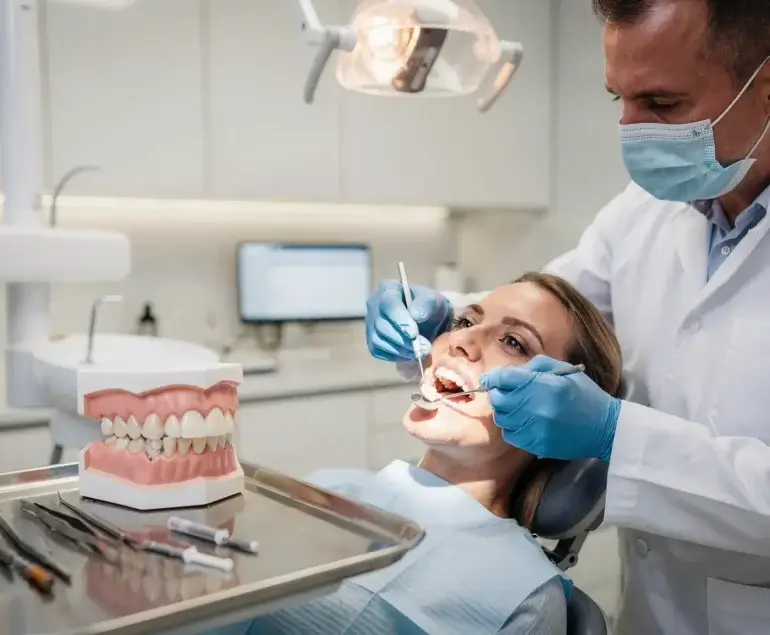

Routine dental services are preventive and diagnostic treatments that keep teeth and gums healthy and catch small problems before they become painful or expensive. They include dental exams, professional cleanings, X-rays, fluoride treatments, dental sealants, and oral cancer screenings. At Calcium Clinic, these visits are used to establish a baseline and plan prevention rather than wait for symptoms.
The distinction matters for both health and insurance. Many patients searching for a Best Dental Clinic in Deira Dubai assume fillings and extractions are routine, but those are usually classified as basic or major restorative care. Routine care is proactive; basic and major care treat existing damage.
What Are Routine Dental Services? Usually Includes
A routine appointment is not one service. It is a short sequence of checks and preventive steps.
- Dental exam: visual inspection of teeth, gums, tongue, throat, existing fillings, and bite wear
- Professional cleaning: removal of plaque and hard tartar, then polishing to reduce future buildup
- Diagnostic X-rays: taken as needed to find decay between teeth, bone loss, or root problems
- Fluoride treatment: applied to strengthen enamel, especially in children and adults at higher cavity risk
- Dental sealants: thin coatings on back teeth, most common in children but useful for some adults
- Gum disease and oral cancer screening: checking for inflammation, pockets, and abnormal tissue
- Patient education: customized brushing, flossing, and dietary guidance to correct trouble spots
Not every item happens at every visit. X-rays are usually taken only when the dentist needs a view that a visual exam cannot provide. Sealants are placed once and checked at later visits.
Routine Care vs Basic and Major Dental Care
This is the part patients often get wrong. Routine care prevents disease. Basic care treats early disease. Major care restores or replaces teeth.
| Category | Common Examples | Purpose | Typical Insurance Grouping |
| Routine | Exams, cleanings, X-rays, fluoride, sealants, oral cancer screening | Prevent problems or detect them early | Preventive or diagnostic |
| Basic | Fillings, simple extractions, scaling and root planing for gum disease | Treat existing damage or early disease | Basic restorative |
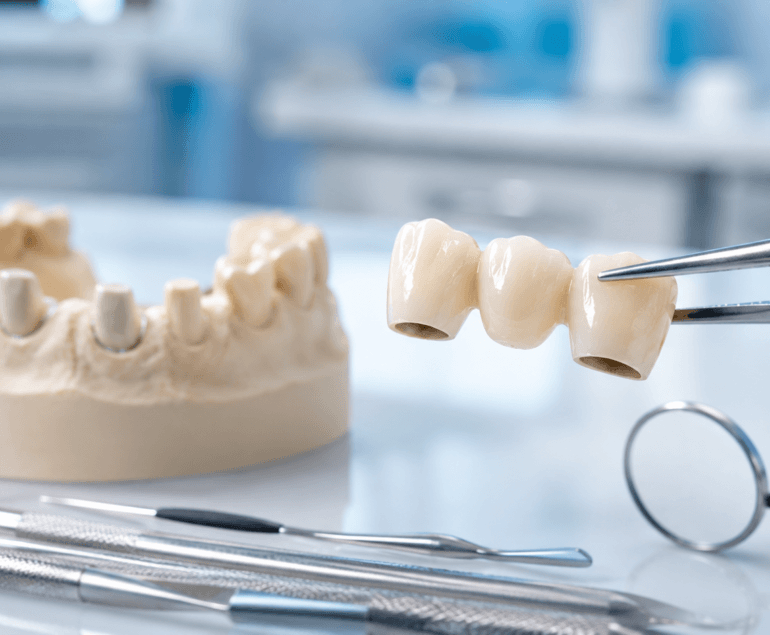
| Major | Crowns, bridges, dentures, implants, root canals | Restore or replace compromised teeth | Major restorative |
Many dental plans divide covered Services into these three categories and reimburse preventive care at a higher percentage. That is why knowing the difference helps you avoid surprise gaps. A filling is not routine even if it feels minor; it means decay already happened.
What Routine Care Cannot Do
Routine services cannot remove decay, repair a cracked tooth, or replace a missing tooth. Once the exam finds a cavity, the next step is a filling, which is basic care, not prevention. Deep cleaning for gum disease is also basic or periodontal therapy, not a routine cleaning. Teeth whitening is cosmetic and sits outside routine care entirely.
This separation matters when treatment planning. A small cavity caught during a routine visit can often be treated with a simple filling. Without routine care, that same cavity can progress to a root canal or extraction. That is why fillings are basic care, while Dental crowns in dubai and other restorative work fall into a different, more involved category.
How Often Should Routine Dental Services Happen?
Twice a year is the common starting point for most patients, but it is not a universal rule. People with active gum disease, a history of frequent cavities, dry mouth, or diabetes may need cleanings every three to four months. A person with very low risk and excellent home care may be fine with less frequent visits. The right interval should come from a clinical assessment, not a default schedule.
Getting More from a Routine Visit
A routine visit works best when you treat it as a two-way conversation. Mention any sensitivity to hot, cold, or sweet foods, even if it comes and goes. Tell the dentist if you have been waking with jaw pain, brushing too hard, or using a whitening toothpaste that irritates the gums. Bring a list of medications because dry mouth from common prescriptions can raise cavity risk even when your brushing is good.
The most common mistake is waiting for pain. Enamel decay and early gum disease are often silent. By the time a tooth hurts, the problem has usually moved past prevention into restoration.
Choosing a Clinic Without Confusing Prevention and Treatment
Cost is a fair concern, but routine care should not be chosen on price alone. A Cheap Dentist in Dubai may offer excellent preventive care, but the real question is what the visit includes. If you are comparing a Cheap Dental Clinic Deira, ask whether the fee covers a full exam, gum screening, oral cancer check, and X-rays only when needed. Also ask how the clinic separates routine, basic, and major treatment in its plan. That distinction helps when discussing Dental Crowns & Bridges in Deira, because past X-rays and exam notes show whether a crown is truly needed or whether a smaller filling can still work.
The Best Dentist in Deira, Dubai for you is not the one with the longest list of add-ons, but the one who explains what is preventive now, what can be deferred, and what needs treatment soon.
If you have not had a routine exam in the past six months, book an appointment at Calcium Clinic to start with a clear preventive baseline before symptoms appear.
FREQUENTLY ASKED QUESTIONS
1 What does routine dental include?
Routine dental care usually includes a dental exam, professional cleaning, diagnostic X-rays when needed, fluoride treatment, dental sealants for eligible teeth, and oral cancer screening. Some visits also include gum disease screening and bite wear evaluation. These services are preventive and diagnostic, not restorative.
2 What is a proper dental care routine?
A proper dental care routine combines daily home care with professional visits. Brush twice a day with fluoride toothpaste using a soft brush, clean between the teeth once a day with floss or an interdental tool, limit sugary snacks and drinks, and see a dentist regularly. The professional side should include an exam and cleaning at an interval recommended for your risk level, typically every six months.
3 How long does a routine dental appointment take?
A routine dental visit usually takes around 30 to 60 minutes, depending on whether you need an examination, cleaning, X-rays, or other preventive services.
4 Can children receive routine dental services?
Yes. Children should have regular dental checkups to monitor tooth development, prevent cavities, and learn proper oral hygiene. Fluoride treatments and dental sealants may also be recommended based on their cavity risk.