
Many people in Dubai want a gentler way to manage recurring symptoms, improve wellbeing, and reduce reliance on frequent medications. That curiosity often leads to a simple question: what is homeopathy, and how is it used in a clinic setting? Homeopathy treatment in Dubai is a form of complementary medicine that uses highly diluted substances selected to match a person’s unique symptom pattern. When delivered by a qualified clinician, homeopathy treatment aims to support the body’s self-regulation rather than simply suppress a complaint. This guide explains the basics, what to expect in a consultation, safety points, and how to find reputable care locally.
Homeopathy in simple terms
Homeopathy was developed in the late 1700s by the German physician Samuel Hahnemann. It is based on two key ideas: “like cures like” and the use of very small doses. In practice, a remedy is chosen because, in a healthy person, it could produce symptoms similar to the ones you have. Remedies are prepared through repeated dilution and shaking (succussion), and are typically given as tiny sugar pellets, drops, or tablets.
A common misconception is that homeopathy is the same as herbal medicine. Herbs use measurable plant compounds, while homeopathic remedies may be diluted beyond the point where molecules of the original substance remain. Because of that, many scientists question how it could work, and research results are mixed. Many patients, however, still seek it for individualized attention and a whole-person view of health.
The core principles patients hear about
When a homeopath explains the method, you will usually hear these principles described in plain language: similarity, minimum dose and individualization. The last point matters most in day-to-day care. Two people with the same diagnosis may receive different remedies because their triggers, sleep, appetite, mood and symptom timing differ.
What happens during a homeopathy consultation?
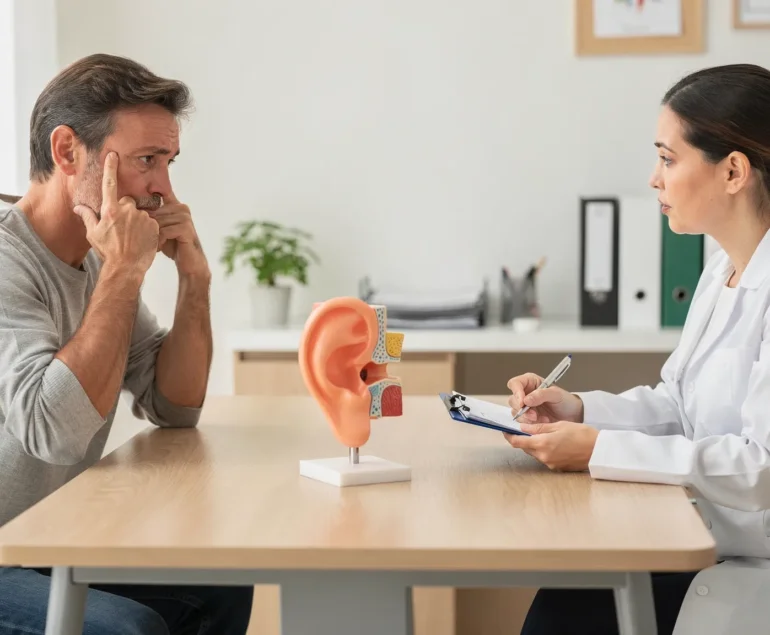
A first visit is often longer than a typical primary care appointment. The clinician asks about your main complaint, past illnesses, medications, allergies, diet, stress and family history. They also explore details that can seem unusual at first, such as what makes symptoms better or worse, the time of day they peak and how you respond to heat, cold or travel.
After this “case taking,” the practitioner selects a remedy and explains how to take it, what changes to watch for, and when to return. Follow-ups are usually shorter and focus on progress, new symptoms, and any needed adjustment. In a well-run clinic, a homeopath will also advise you to continue essential conventional care and will refer you for lab work or specialist review when appropriate.
A quick look at what you may be asked
| Area discussed | Why it matters | Example question |
|---|---|---|
| Main symptoms | Guides remedy selection | When did it start, and what triggers it? |
| General health | Builds a whole-person picture | How is your sleep, appetite, and energy? |
| Emotional stress | Stress can change symptom patterns | What worries you most right now? |
| Medical history | Flags red flags and interactions | What diagnoses and medicines do you take? |
If you have tried home remedies, supplements, or multiple prescriptions, bring a list. Clear records help your clinician avoid duplication, spot possible side effects and set realistic goals for treatment.
Why do people choose homeopathy?
Most people do not come to homeopathy to replace emergency or surgical care. They come because they want a plan that connects symptoms, lifestyle, and long-term prevention. Common reasons include recurring allergies, migraines, digestive complaints, menstrual discomfort, sleep problems, skin flare-ups and stress-related symptoms. Some families also like that the approach is non-invasive and can be adapted for children, older adults and people with multiple conditions.
Another draw is the time spent listening. A longer intake can uncover patterns such as food sensitivities, work-related anxiety or environmental triggers that may not be explored in a brief visit. Even if you decide to use conventional medicine as your main treatment, that fuller history can support better choices.
Is homeopathy safe? Key precautions
Because remedies are highly diluted, they are generally considered low risk, but “natural” is not the same as “always safe.” Quality control varies by manufacturer, and some products have been found to contain measurable ingredients. It is also possible to delay effective treatment if you rely on homeopathy alone for urgent conditions. If you are pregnant, managing a chronic disease or giving remedies to a child, seek guidance from a licensed clinician.
Get emergency help for chest pain, severe breathing trouble, signs of stroke, uncontrolled bleeding, severe dehydration, or thoughts of self-harm. For dental pain with swelling, fever or difficulty opening the mouth, see a dentist quickly. Homeopathy can be supportive, but it should not replace timely diagnosis and treatment.
Homeopathy in Dubai: choosing the right clinic
Dubai has a wide range of complementary medicine providers, so it helps to choose carefully. Start by confirming that your Homeopathy Doctor in dubai is licensed and works within an established medical setting. During your first call, ask about appointment length, follow-up frequency, and whether the clinic encourages coordination with your GP, pediatrician, or dentist when needed.
If you are considering Homeopathy treatment in Dubai for a specific diagnosis, bring copies of recent lab results and imaging reports. A responsible clinician will welcome medical information, clarify what homeopathy can and cannot do, and set a review date to assess change. Be wary of anyone who promises a cure for cancer, stops prescribed medicines without supervision, or sells a long package before meeting you.
How Calcium Clinic supports integrative care
At Calcium Clinic in Deira, patients can access both dental services and holistic support in one place. If a symptom could be linked to oral health, such as jaw pain, sinus pressure from dental infection, or stress-related teeth grinding, coordinated care matters. For homeopathy appointments, you can learn more and request a consultation through the clinic page: Calcium Clinic.
Frequently asked questions
Is homeopathy the same as home remedies?
No. Homeopathy uses specific prepared remedies chosen after a structured consultation, while home remedies are general self-care ideas.
How long does it take to see results?
Timing varies. Some acute complaints may settle faster, while long-standing issues often need several follow-ups and consistent self-care.
Can I use homeopathy with my prescribed medicines?
Often yes, but do not stop or change prescriptions without medical advice. Share your full medication list with your clinician.
What should I bring to the first appointment?
Bring recent test results, a list of medicines and supplements, and notes about when symptoms improve or worsen.
How do I choose a qualified provider in Dubai?
Look for appropriate licensing, clear communication, realistic claims, and a willingness to coordinate with conventional doctors when needed.
If you are curious about homeopathy treatment for yourself or your child, a structured consultation is the safest first step. Explore the approach at Calcium Clinic and book an appointment with Dr. Shifa’s team here: Calcium Clinic.