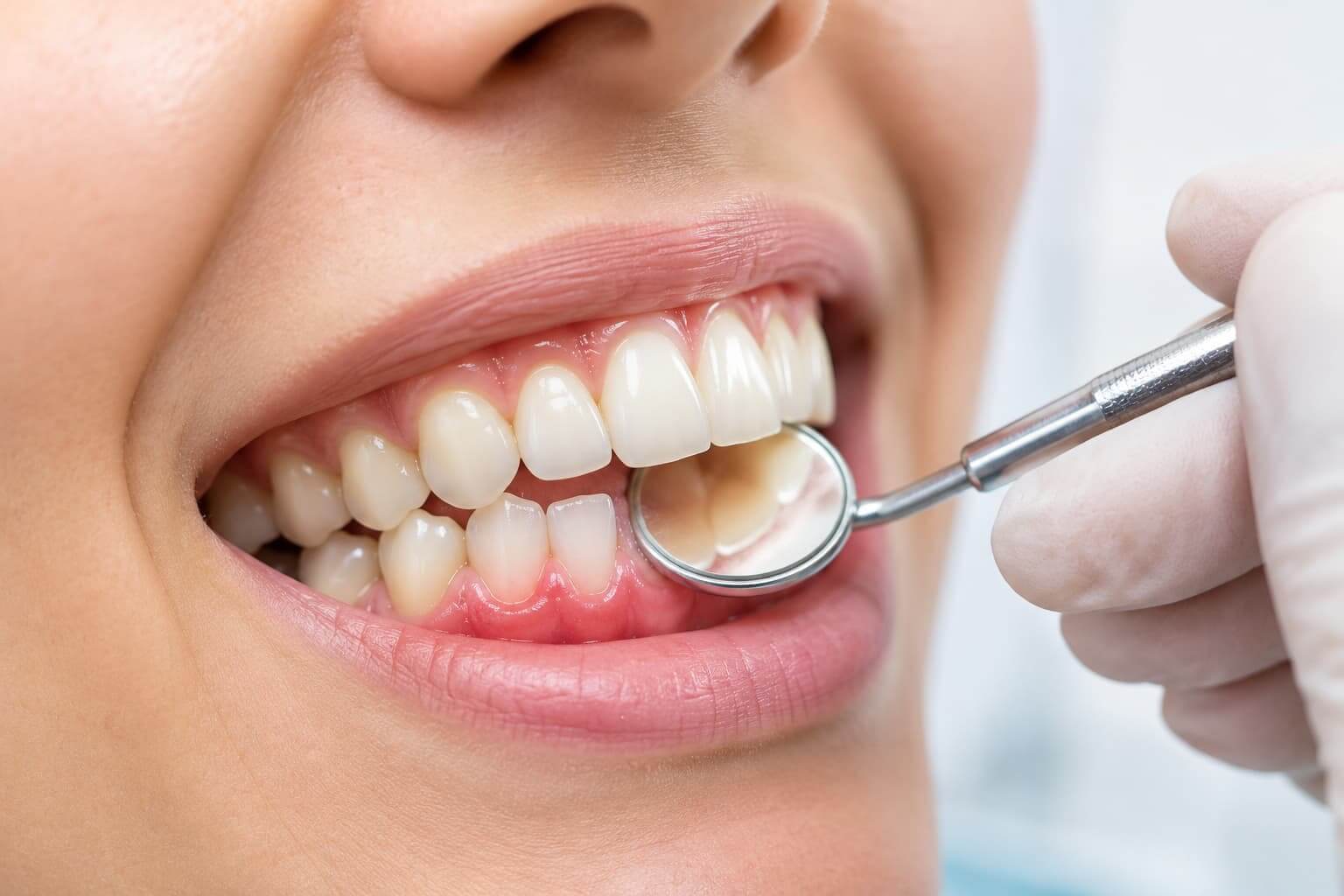
Gums that look a bit puffier than usual. Bleed when you brush, maybe just a little pink in the sink. That’s gingivitis, most likely. Early stage gum disease, and it shows up once plaque’s been sitting along the gumline long enough that your normal brushing and flossing routine stopped keeping pace with it.
What is gingivitis once you get past the textbook definition though, and why should this actually matter to you? Good question. This one gets into how it develops, which warning signs are worth paying attention to, and why catching things early saves you a much bigger headache later. Noticing some gum sensitivity or bleeding lately and want real care from the Best Dental Clinic in Deira Dubai? Here’s the rundown on prevention and treatment.
Understanding Gingivitis
Mildest form of gum disease there is. Most common too. Left alone though, it can turn into periodontitis eventually, a far more serious condition that starts eating into the bone and tissue actually holding your teeth in place.
At its core it’s really just your body reacting to bacteria sitting in plaque. Nothing exotic about it. So what is gingivitis once you cut the jargon out entirely? Gum inflammation from plaque buildup. And here’s the encouraging bit, it’s almost always reversible if caught early enough.
What’s Actually Behind It
Plaque’s the main driver, no surprise there. But a handful of other things push some people toward gingivitis faster than others, even with roughly similar habits.
Worth knowing about:
- Brushing and flossing that’s inconsistent, skipped nights here and there
- Smoking or any tobacco use
- Hormonal shifts, pregnancy or puberty especially
- Certain meds that dry out saliva flow
- Poor nutrition, vitamin gaps
- Diabetes or similar underlying conditions
Explains a lot actually, why two people with near identical brushing routines end up with completely different gum health.
Spotting the Symptoms
Catching gingivitis symptoms early is genuinely one of the smartest things you can do here.
Common Signs to Watch For
| Symptom | Description |
| Red or swollen gums | Gums look puffier, darker than usual |
| Bleeding while brushing | Blood on the brush or in the sink |
| Bad breath | Persistent odor despite brushing regularly |
| Gum sensitivity | Tender when touched or while eating |
| Receding gumline | Teeth start looking a bit longer than before |
Any of that sound familiar? These gingivitis symptoms are worth acting on sooner, not later, before things progress into something worse.
How This Gets Diagnosed
Usually starts with a visual look, then some gentle probing around each tooth to check bleeding, sensitivity and pocket depth.
X-rays sometimes get added in too, mostly to rule out bone loss, which would signal something more advanced than plain gingivitis. Honestly, a routine visit to a Cheap Dentist in Dubai tends to catch this stuff before you’d even notice anything yourself at home.
Preventing It in the First Place
Comes down to consistency mostly. Good habits at home, professional cleanings on schedule, nothing revolutionary.
What actually helps:
- Brushing twice daily, fluoride toothpaste
- Flossing daily, clears out what brushing misses
- Antiseptic mouthwash for bacteria control
- Professional cleanings every six months
- Cutting tobacco out completely
- Eating reasonably well, vitamins C and D specifically
Looking into Services around preventive cleanings is a decent first step if keeping gingivitis off your radar long term is the goal.
Treating It Once It’s Already There
Here’s the good part. Gingivitis responds well to treatment, especially caught early. Professional cleaning clears out hardened plaque, tartar essentially, stuff your toothbrush just can’t touch on its own no matter how hard you try.
After that cleaning though, keeping home care consistent matters a lot, otherwise it just comes right back. In cases where gum recession or damage has already set in, some patients need restorative work like Dental Crowns in Dubai to protect exposed tooth structure and get some comfort back.
Why Ignoring This Is a Bad Idea
Untreated gingivitis doesn’t just stay put quietly forever. Given time, it turns into periodontitis, permanent damage to bone and ligaments holding your teeth, sometimes actual tooth loss down the line.
Research has tied chronic gum inflammation to bigger stuff too, cardiovascular issues, pregnancy complications among them. That’s really why staying on top of gingivitis symptoms early matters for a lot more than just how your mouth feels day to day.
Final Thoughts
So, what is gingivitis when you step back and look at the whole thing? Early, quite treatable form of gum disease from plaque buildup, showing up through bleeding, swelling, bad breath. Ignore it long enough and it turns into something a lot more serious.
Catching gingivitis symptoms early and keeping oral hygiene consistent really is your best defense against long term gum trouble. Whether that means a routine cleaning at Cheap Dental Clinic Deira or something more involved like Dental Crowns & Bridges in Deira, dealing with gum health early just keeps everything simpler down the road.
Want expert guidance from the Best Dentist in Deira, Dubai? Calcium Clinic runs proper evaluations to check your gum health and map out the right plan for your situation specifically.
Noticing bleeding gums or other early signs creeping in? Schedule a consultation today and get an assessment in before gingivitis gets a chance to move any further along.
Frequently Asked Questions
What is gingivitis versus periodontitis?
Gingivitis comes first, milder stage. Periodontitis is the advanced version with permanent bone and tissue damage, while gingivitis usually reverses fine with proper care.
Does gingivitis ever just clear up on its own?
Improves somewhat with better hygiene alone, sure, but professional cleaning is usually still needed to actually clear out plaque and tartar that brushing can’t reach.
Do the symptoms actually hurt?
Not really, most of the time. Mild bleeding or swelling without much pain at all, which is honestly part of why people miss it until a dental visit flags it.
How often should I get checked to stay ahead of this?
Six months is the standard advice, though higher risk folks might want to go more often than that.