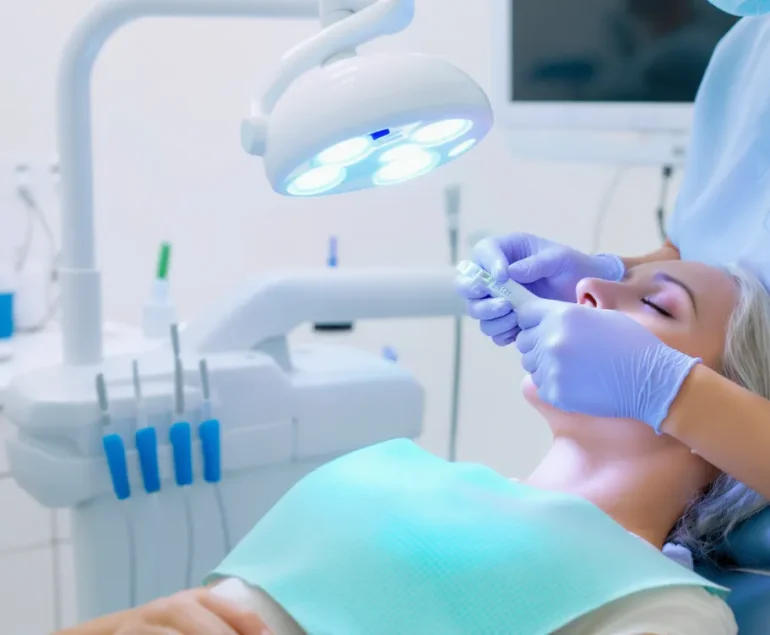
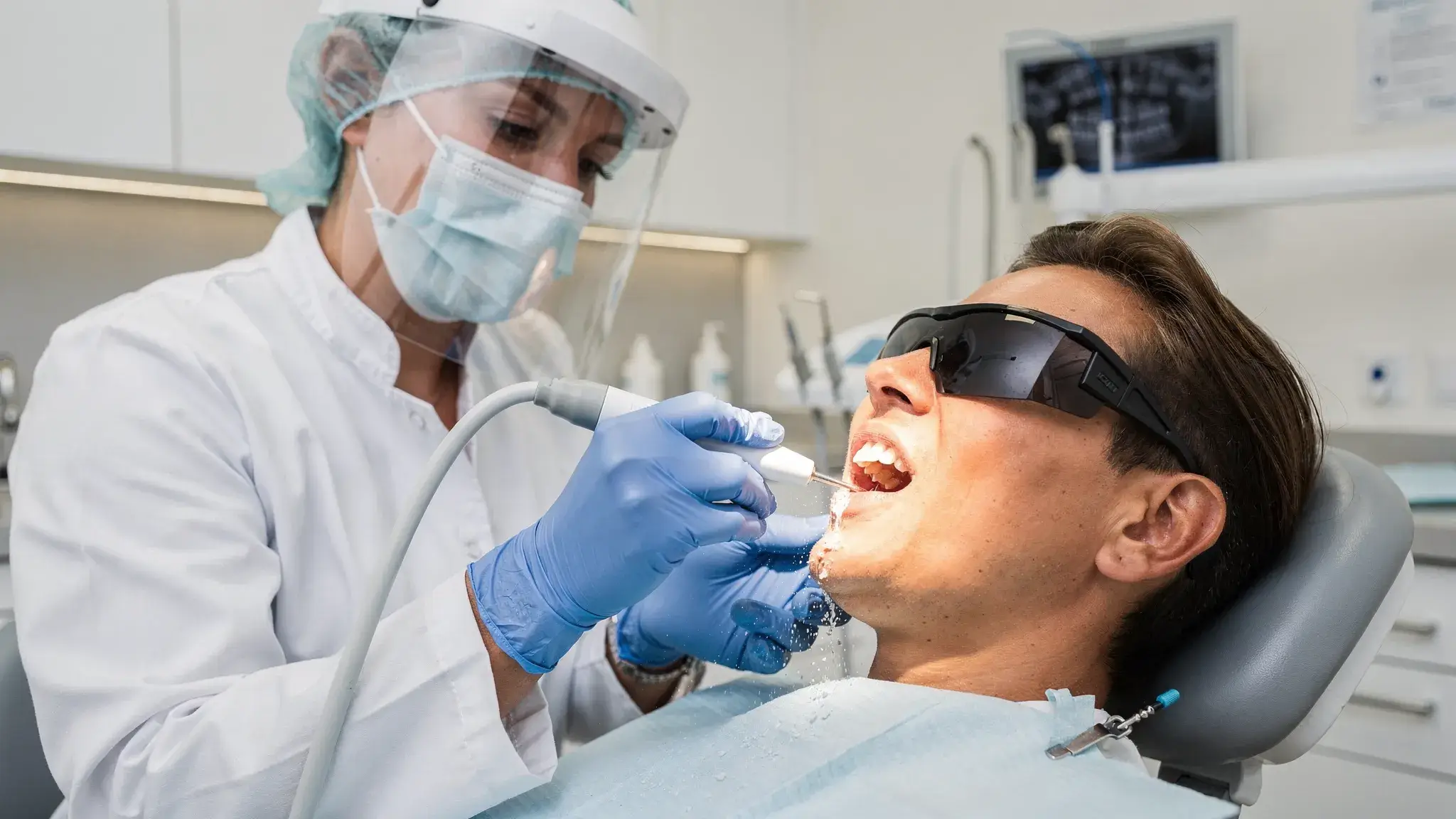
If you are wondering can dental scaling damage teeth, you are really asking if a professional cleaning can wear down your teeth or weaken them. Dental scaling is a controlled dental procedure that removes plaque and hardened tartar from the tooth surface and from around the gumline.
The good news is that for most patients, scaling is one of the safest ways to protect teeth long term because it removes the buildup that triggers gum disease and bone loss. This article explains why dental scaling damages teeth is so common, what sensations are normal after scaling, what real risks exist (and how rare they are) and how to make sure your cleaning is done gently and correctly.
You will also learn when a routine cleaning is enough, when you may need a deeper gum-focused cleaning and what to ask your dentist before you start.
What exactly is dental scaling?
Dental scaling is the removal of plaque and tartar (calculus) from teeth. It can be done with hand instruments, ultrasonic scalers or a combination.
There are two common situations:
- Routine scaling and polishing: This is the standard cleaning done during regular dental visits.
- Scaling for gum disease (often called deep cleaning or scaling and root planning): This goes deeper under the gumline when there are gum pockets, bleeding, bad breath or bone loss.
At the Calcium Clinic in Deira, dentists assess your gums first because the best type of cleaning depends on your gum health, not just how much stain you see.
If you want to read more about gum-focused cleaning options, see our service page on Deep Teeth Cleaning.
Can dental scaling damage teeth or is it actually protective?
Let’s answer the core concern directly: in normal conditions, can dental scaling damage teeth is usually a misconception.
A properly performed scaling appointment does not remove healthy enamel. Enamel is the hardest substance in the human body and professional scalers are designed to break off tartar that is stuck to the tooth, not shave down the tooth itself.
In fact, tartar is porous and holds bacteria next to your gums. Leaving it in place increases the risk of gingivitis and periodontitis, which can lead to gum recession, loose teeth and tooth loss. So when patients ask if dental scaling damages teeth, the bigger risk is often the opposite: skipping cleanings and allowing gum disease to progress silently.
Why do people feel like scaling “damages” their teeth?
When someone searches can dental scaling damage teeth, they often have an uncomfortable experience after cleaning. The most common reasons are temporary and treatable.
1) Your teeth can feel more sensitive for a few days
If tartar has been covering parts of the tooth near the gumline, removing it can expose areas that are naturally more sensitive. This does not mean the tooth was harmed.
Sensitivity is more likely if you already have:
- Gum recession
- Early gum disease with inflammation
- Frequent acidic drinks or teeth grinding
2) Your teeth can feel rough at first
After tartar is removed, the tooth surface can feel different to your tongue because the “bumpy” tartar is gone. Polishing usually smooths this.
If roughness persists, ask your dentist to check for tartar left behind, a small chip or a cavity. If a cavity is found, you can review treatment options with a Tooth Filling Dentist in Deira.
3) Your gums might bleed if they were already inflamed
Bleeding during cleaning is commonly a sign of gingivitis. Once the irritant is removed and you improve home care, bleeding often reduces.
When can dental scaling damage teeth? Real risks dentists watch for
To be fully transparent, there are a few situations where dental scaling can damage teeth becomes a more meaningful question. These are not the goal of scaling, but they can happen if gum tissues are fragile, roots are exposed or technique is too aggressive.
Exposed roots are easier to scratch than enamel
The root surface is covered by cementum, which is softer than enamel. If you have a significant recession, instruments must be used carefully. Even then, what is usually affected is the root surface texture, not the strength of the tooth.
Over-instrumentation can leave surfaces slightly rough
If a tooth or root is scaled too aggressively, it can create minor roughness. This is typically managed with proper finishing, polishing and a tailored recall schedule.
Rare complications in advanced gum disease
In severe periodontitis, removing heavy tartar can reveal spaces between teeth that were previously “filled” by buildup and swollen gums. This can feel like new gaps even though the gaps were already there underneath.
So if you are asking if dental scaling damages teeth and you notice spacing after treatment, it is often a sign that gum disease was present and swelling has reduced.
Routine cleaning vs deep cleaning: which one is safer for you?
A common fear behind can dental scaling damage teeth is that “deep cleaning” sounds harsh. In reality, deep cleaning is recommended when the risk of infection is higher, so it is protective when correctly indicated.
Here is a simple comparison to clarify what dentists mean:
| Type of cleaning | What it targets | Typical signs you might need it | Usual after-feel |
|---|---|---|---|
| Routine scaling and polishing | Plaque and tartar above the gumline | Mild staining, time since last visit, preventive care | Fresh smooth teeth, mild sensitivity possible |
| Deep cleaning (scaling under the gums) | Tartar under the gumline and infected pocket areas | Bleeding gums, gum pockets, persistent bad breath, gum recession | Tender gums for a few days, sensitivity possible |
If you are unsure which applies to you, a checkup with a licensed dentist is the safest way to resolve the worry behind can dental scaling damage teeth.
What dentists do to keep scaling gentle and tooth-safe
If your main concern is can dental scaling damage teeth, focus on the quality of the assessment and technique.
Dentists and hygienists typically protect teeth by:
- Examining gums first and measuring pockets when needed
- Choosing the right instrument for the level of buildup
- Using light controlled pressure rather than scraping hard
- Polishing after scaling to smooth surfaces
- Giving a home-care plan that matches your gum condition
At Calcium Clinic, patients can meet the Best Dentist in Deira, Dubai team for an exam and a personalized cleaning plan based on gum health, sensitivity history and existing dental work.
You can also explore the clinic homepage if you are looking for a Best Dental Clinic in Deira Dubai for family dental care.
What to do after scaling to reduce sensitivity and protect your enamel
If you are still thinking about whether dental scaling damages teeth after your appointment, the aftercare steps below usually make a noticeable difference.
Use simple strategies for 48 to 72 hours:
- Brush gently with a soft toothbrush and a fluoride toothpaste
- Consider a sensitivity toothpaste if your dentist recommends it
- Avoid very cold drinks if they trigger discomfort
- Keep flossing carefully because stopping can worsen gum inflammation
If sensitivity lasts longer than a week, schedule a review. Prolonged sensitivity can indicate recession, enamel wear, a small crack or a cavity.
Warning signs that mean you should call your dentist
While most post-cleaning symptoms are mild, contact your dentist if you have:
- Severe pain that does not improve after 24 to 48 hours
- Swelling, pus or a bad taste that persists
- Fever or facial swelling
- A tooth that feels loose or painful to bite on
These symptoms are not typical answers to dental scaling damage to teeth. They may point to an underlying infection or another dental issue that needs treatment.
Conclusion: the real answer to can dental scaling damage teeth
For most patients, the honest answer to can dental scaling damage teeth is no, scaling is designed to protect your teeth and gums by removing harmful tartar and bacteria. Temporary sensitivity, mild gum tenderness and a different feel to your teeth are common and usually short lived. True damage is rare and is most associated with advanced gum recession, exposed roots or overly aggressive technique, which is why choosing an experienced dental team matters.
If you want a gentle professional cleaning plan or you need help deciding between routine cleaning and Deep Teeth Cleaning, book a visit with Calcium Clinic. To ask questions, get an assessment or schedule a consultation, use our contact page here: https://calciumclinics.com/contact-us/.
Frequently Asked Questions
Can dental scaling damage teeth permanently?
In most cases no. When done correctly, scaling removes tartar and plaque without harming enamel. Lasting problems are uncommon and usually relate to underlying gum disease, exposed roots or an existing dental issue.
Can dental scaling damage teeth if I already have gum recession?
It can make sensitivity more noticeable because root surfaces are less protected. Your dentist can adjust technique, use gentle instruments and recommend sensitivity care so scaling stays safe and comfortable.
Can dental scaling damage teeth if I do it too often?
Cleanings are usually scheduled based on your gum health, tartar buildup and risk factors. More frequent cleanings are often recommended for gum disease prevention and they should still be safe when professionally planned.
Why do my teeth feel like there are gaps after scaling?
This is common when tartar was filling spaces near the gums or when swollen gums shrink after inflammation reduces. It can feel new but it often reveals the true shape of your teeth and gumline.
Can dental scaling damage teeth around fillings, crowns or veneers?
Scaling is generally safe around restorations when the clinician uses the right instruments and technique. If you have cosmetic work, tell your dentist so they can protect margins and avoid scratching delicate materials.