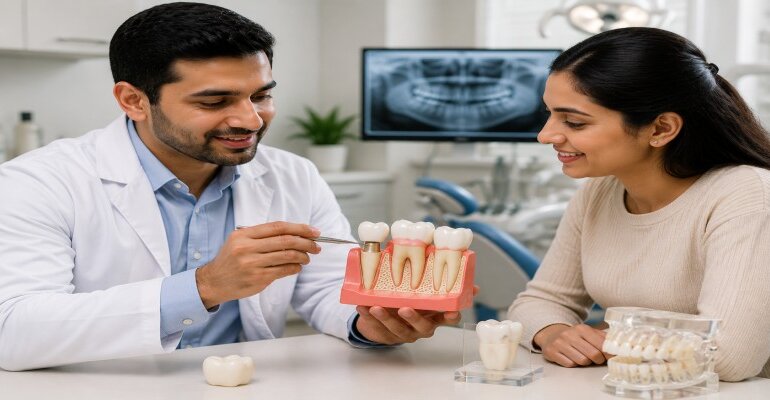

Walking into a dental clinic for the first time can feel surprisingly intimidating. You might be wondering what the dentist will do, whether anything will hurt, how long it will take, and what you should bring. The good news is that a first dentist visit is usually simple, preventive, and designed to help you understand your oral health, not judge it.
This guide breaks down all about dentist visits for first-timers, including what typically happens, how to prepare, how to manage anxiety, and how to get the most value from your appointment.
Why dentist visits matter (even if nothing hurts)
A lot of dental problems start quietly. Early tooth decay, gum inflammation, hairline cracks, and bite issues can progress without obvious pain. By the time discomfort shows up, treatment often becomes more complex.
Regular dental care is also closely tied to overall health. Research has long connected gum disease (periodontitis) with systemic inflammation and health risks. While dental care is not a cure for broader conditions, keeping your mouth healthy removes a common source of chronic inflammation and infection.
Choosing the right dentist for your first visit
If you are new to dental care, the “right” clinic is often the one that communicates clearly, explains options without pressure, and makes preventive care easy.
A practical way to choose is to look for:
- Licensed professionals and clear credentials (in Dubai, you can also check for DHA-licensed clinicians).
- Transparent pricing and treatment plans (you should know what is essential vs optional).
- A clinic that offers the services you may need later, like restorative care, cosmetic options, and family dentistry.
- A patient-first approach, where questions are welcomed and anxiety is taken seriously.
If you are comparing options locally, this internal guide can help: How to Choose a Dental Clinic in Deira Dubai.
How to prepare for your first dentist appointment
Preparation is less about doing anything “perfect” and more about giving your dentist accurate information. That helps them tailor care and avoid surprises.
What to bring (simple checklist)
Even for a routine check-up, a few items make your visit smoother.
| Item | Why It Matters | Examples |
|---|---|---|
| Identification | Needed for registration and records | Emirates ID or passport |
| Insurance details (if applicable) | Helps the clinic check eligibility and approvals | Insurance card, policy number |
| Medication list | Some medicines affect gums, bleeding, and dry mouth | Blood thinners, antihistamines, inhalers |
| Medical history notes | Helps assess risk and plan anesthesia safely | Diabetes, pregnancy, allergies, heart conditions |
| Past dental records (if you have them) | Reduces duplicate X-rays and clarifies history | Previous X-rays, treatment summaries |
If you do not have past records, do not worry, clinics can still assess you safely.
Questions worth writing down before you arrive
A first visit is the best time to reset your oral health habits and get clarity. Consider noting questions like:
- “Do I have any early cavities or weak spots to watch?”
- “Are my gums healthy, or do I need a deeper cleaning?”
- “What is causing my sensitivity, staining, or bad breath?”
- “Do I grind my teeth at night?”
- “What should my check-up schedule be, based on my risk?”
Bringing a short list keeps you from forgetting what mattered once you are in the chair.
What happens during a first dentist visit (step-by-step)
A first-time dental appointment is usually a combination of evaluation (checking teeth and gums), diagnostics (like X-rays if needed), and often cleaning (to remove plaque and tartar). The exact flow depends on your symptoms, time available, and whether you have not had a check-up in years.
Here is what a typical first visit often includes.
1) Check-in and health history
You will usually fill out forms covering:
- Current symptoms (pain, sensitivity, bleeding gums)
- Medical conditions
- Medications
- Allergies
- Past dental experiences (including anxiety or difficult numbing)
Be honest about dental fear. It is more common than people think, and a good team will adjust pacing, explain steps, and agree on a pause signal.
2) Oral exam (teeth, gums, bite, soft tissues)
The dentist checks for:
- Cavities, worn enamel, cracks, old fillings that may be leaking
- Gum inflammation and gum pocket depth (a key measure for gum disease)
- Signs of grinding or clenching
- Jaw joint discomfort (TMJ-related issues)
- Soft tissue concerns (tongue, cheeks, palate)
3) Dental X-rays (only when appropriate)
X-rays help detect issues you cannot see directly, such as decay between teeth, infections near roots, and bone changes. Clinics typically decide based on age, symptoms, risk, and how recent your last images were.
If you are pregnant or think you might be, tell the clinic before imaging. Dentists can often postpone non-urgent X-rays or use additional precautions based on clinical need.
4) Professional cleaning (scaling and polishing)
If your gums are generally healthy, the cleaning usually focuses on:
- Removing plaque and tartar (especially along the gumline)
- Polishing stains
- Fluoride application (optional, depending on your risk)
If your gums bleed easily or there is heavier buildup, the dentist may recommend a deeper gum-cleaning plan (often done in segments) rather than a single basic cleaning.
5) Findings and treatment plan
The most important part of a first visit is the conversation at the end. You should leave knowing:
- What is healthy and what needs attention
- What is urgent vs what can wait
- What prevention steps matter most for you
- What the next appointment would be (if any)
A good clinic will explain options and the reason behind each recommendation.
How long does a dentist visit take?
Timelines vary by case complexity. A straightforward first visit is commonly around 45 to 75 minutes, especially if it includes both an exam and cleaning. If you need multiple X-rays, have significant tartar buildup, or require urgent pain treatment, it can take longer.
If you are booking in Deira and your schedule is tight, it is reasonable to ask the front desk what is planned, for example, “exam only” vs “exam plus cleaning,” so your expectations match the appointment slot.
Does it hurt? What first-timers should know about comfort
Many first visits are not painful. The sensations you might notice are usually:
- Mild scraping sounds during cleaning
- Cold water or air sensitivity
- Gum tenderness if you have inflammation
If you need treatment like a filling or root canal, modern dentistry typically uses local anesthesia to make procedures comfortable. If you have struggled to get numb in the past, share that early, it can change technique and planning.
If you are anxious, these non-medication strategies often help:
- Ask the dentist to explain each step before starting
- Agree on a simple “pause” signal (like raising your hand)
- Use headphones if the clinic allows it
- Book earlier in the day so you are not stressed by anticipation
Anxiety is not a personal failure. It is a common barrier to care, and dentists see it daily.
What your dentist might recommend after the first visit
Not every recommendation means something is “wrong.” Often, the dentist is prioritizing prevention.
Here are common next steps and what they typically mean.
| Recommendation | What It Usually Addresses | Why It May Be Suggested |
|---|---|---|
| Routine check-up schedule | Ongoing prevention | Frequency depends on cavity and gum risk, not a fixed rule for everyone |
| Filling | Early or moderate decay | Prevents a small cavity from becoming a larger fracture or infection |
| Gum care plan | Gingivitis or early gum disease | Reduces bleeding, swelling, and long-term bone loss risk |
| Root canal evaluation | Deep decay or infected nerve | Helps save a natural tooth instead of extracting it |
| Whitening consult | Surface stains, tooth color concerns | Professional whitening can be safer and more predictable than DIY methods |
If root canal treatment comes up and it scares you, you are not alone. This internal article can help you separate myths from facts: Root Canal Treatment: Myths vs. Facts.
Cost, insurance, and how to avoid surprises
First-timers often worry about cost because they do not know what will be “found.” The best way to stay in control is to ask for clarity before consenting to non-urgent procedures.
A practical approach is:
- Ask what is included in the appointment (exam, X-rays, cleaning).
- If treatment is recommended, ask for a written plan with options.
- Ask whether insurance approval is required (many plans have rules for imaging, crowns, root canals, and orthodontics).
Calcium Clinic notes that insurance is accepted and that the clinic offers special packages and discounts, which can be helpful if you are planning multiple visits. For a sense of what services are commonly bundled in a full-service dental clinic, see: Top Dental Services at Calcium Clinic Deira.
Tips for specific first-time situations
If you have not seen a dentist in years
This is more common than you think. The visit may include more diagnostics, and your gums may be sensitive during cleaning because inflammation builds up over time. The goal is not to “catch up in one day,” it is to stabilize your oral health with a realistic plan.
If you are going because of tooth pain
Pain appointments often focus on diagnosis first (exam and imaging), then immediate relief if possible. If infection is suspected, the dentist may discuss urgent steps, which can include restoring the tooth, root canal evaluation, or extraction depending on severity.
For readers who want a clearer picture of tooth decay progression and treatment pathways, this internal guide is useful: Understanding Dental Caries: Causes, Prevention, and Treatment.
If you are bringing a child for their first dental visit
A child’s first visit is usually about comfort and trust, not “doing everything.” The dentist may:
- Count teeth and check eruption patterns
- Look for early decay risks
- Discuss brushing technique and fluoride
- Talk through habits like thumb sucking or mouth breathing
If your family wants one clinic that can handle adults and kids, look for a provider with pediatric dentistry experience and a calm, patient approach.
How often should you go to the dentist?
Many people have heard “every six months,” but the right schedule depends on risk factors like past cavities, gum health, smoking, dry mouth, diabetes, orthodontic appliances, and pregnancy.
Some patients truly do well with longer intervals, while others benefit from more frequent cleanings and check-ups. The goal is personalized prevention, not a one-size rule.
Getting started in Deira: what to do next
A first dentist visit is easiest when you choose a clinic that can cover today’s needs and support you long-term, from preventive cleanings to restorative care and cosmetic options.
If you are in Deira, Dubai and ready to book your first appointment, Calcium Clinic offers comprehensive dental services for the whole family, along with personalized care plans, advanced dental technology, and the convenience of insurance acceptance. You can also ask the team about available packages and the most suitable appointment type for your goals (check-up, cleaning, pain consultation, whitening assessment, or a second opinion).
Frequently Asked Questions
- What actually happens during your first dentist visit?
Think of it as a meet‑and‑greet for your teeth. The dentist will usually ask about your medical and dental history, take a good look at your teeth and gums, check how your bite lines up, and maybe peek at the soft tissues. If needed, they’ll suggest X‑rays or a cleaning. Nothing scary – mostly just getting the lay of the land.
- How do I prepare for that first appointment?
Bring the basics: ID, insurance info if you’ve got it, a list of medications you’re on, and any old dental records or X‑rays you can dig up. It doesn’t hurt to jot down questions or concerns ahead of time either – saves you from forgetting once you’re in the chair.
- How long does it usually take?
If it’s straightforward, expect somewhere between 45 minutes to an hour and change. That’s enough time for an exam and cleaning. If your case is more complicated, yeah, it might run longer.
- Does it hurt?
Most first visits aren’t painful. You might feel a bit of scraping during cleaning, or some tenderness if your gums are inflamed, but nothing dramatic. Sensitivity is normal – it’s not meant to be a torture session.
- How often should I go back for check‑ups?
That depends on your mouth. Some folks need to go more often because of risk factors, while others can stretch the time between visits. Your dentist will usually give you a schedule that makes sense for your situation.